فضل الٰہی انوریFazal Ilahi Anweri
    Skip to main content
    HomeJalsa 50
    ← All manuscripts

    Contents (169)

    لائف ہسٹری

    Life History

    Lebensgeschichte

    This was not only a private paper. On 11 September 2014 he sent it to the daily Al Fazl as an article submission, in his eighty-eighth year. Whether the paper printed it is not recorded here.

    Source: his own correspondence, held by the family.

    • Khaksar means "this humble one". He used it throughout in place of "I".
    • Huzoor is a term of respect for the Khalifa, and here means whichever Khalifa was living at the time being described.
    • The Silsila means the Community.
    • Markaz means the centre, the Community’s headquarters.
    About these manuscripts963 paragraphs

    The translations here are machine made and are not part of the record. Read the original Urdu if you can.

    Show

    Showing the translation only.

    Damaged passage, not fully recovered (¶1 to ¶3)
    ¶4

    Khaksar's Birth, Association with Ahmadiyyat And Early Education

    خاکسار کی پیدائش ،احمدیت سے وابستگی اور ابتدائی تعلیم

    ¶6

    خاکسار ۱۹۲۷ئ میں بھیرہ(ضلع شاہ پور۔حال سرگودہا) میں پیدا ہوا۔یہیں خاکسار کے ننھال تھے جو پیشہ کے لحاظ سے کاشتکار تھے ۔اس کے برعکس والد صاحب ،ماسٹر امام علی صاحب حضور پوری ثم بھیروی، ڈسٹرکٹ بورڈ سرگودہاکے محکمہ تعلیم میںمدرس تھے۔جہاں تک احمدیت کا تعلق تھا تو ابا جان کے سب سے بڑے بھائی، ماسٹر محمد زمان صاحب،مدفون بہشتی مقبرہ قادیان،ہمارے خاندان میں سب سے پہلے احمدی ہوئے جو اگرچہ جوانی میں ہی فوت ہو چکے تھے مگر ان کی وجہ سے گھر میں احمدیت کی چرچا ہوتا رہتا تھا۔چنانچہ خاکسار کے چھوٹے تایامنشی محمد سلطان کاتب اسی اثر کے نتیجے میں احمدی ہو چکے تھے۔ان کے بڑے بھائی یعنی خاکسار کے بڑے چچا جن کا نام محمد رمضان تھا البتہ آخردم تک احمدی نہ ہوئے۔ خودخاکسار کے ابا جان نے بھی بہت بعد میں یعنی اندازاً ۳۱؍۱۹۳۰ ئ میں احمدیت قبول کی۔اَس وقت خاکسار کی عمر ۳یا۴ سال تھی۔خاکسار اپنے والدین کا دوسرا بچہ تھا۔خاکسار سے بڑی خاکسار کی ہمشیرہ اقبال بیگم صادقہ خاکسار سے دوسال بڑی تھیں۔خاکسار سے چھوٹی دوسری بہن رابعہ بیگم ناصرہ تھی۔بس ہم اَس وقت اپنے والدین کے تین ہی بچے تھے ۔ہم دیکھا کرتے کہ والدہ صاحبہ بعض اوقات اپنے آپ کو پیٹنے لگتیں،اپنے بال نوچ لیتیں اور رو رو کر براحال کر دیتیں۔ بڑے ہونے پر معلوم ہوا کہ ان کا یہ رونا پیٹنا ابا جان کے احمدیت قبول کرنے کی وجہ سے تھا۔دراصل والدہ صاحبہ اپنے غیر احمدی والدین کے اثر کے تحت شروع شروع میں سخت مخالفانہ رنگ رکھتی تھیں مگر جلد بعدیعنی ۱۹۴۰ئ کے لگ بھگ انہوں نے بھی احمدیت قبول کر لی اور پھر ایسا اخلاص دکھایا کہ گھر میں مالی قربانی کی ایک بہترین مثال قائم کر دی۔احمدیت قبو ل کرنے کے جلدبعد انہوں نے وصیت بھی کر دی۔والد صاحب تو پہلے ہی موصی تھے۔

    was born in 1927 in (District Shahpur - presently Sargodha). It was here that Khaksar's maternal relatives lived, who were farmers by profession. In contrast, Father Sahib, Master Imam Ali Sahib Huzoorpuri thumma Bherwi, was a teacher in the Education Department of District Board Sargodha. As far as Ahmadiyyat was concerned, Abba Jan's eldest brother, Master Muhammad Zaman Sahib, buried in Bahishti Maqbara , was the first in our family to become an Ahmadi, who although had passed away in his youth, but because of him Ahmadiyyat was frequently discussed in the house. Thus, Khaksar's younger paternal uncle, Munshi Muhammad Sultan Katib, had become an Ahmadi as a result of this very influence. Their elder brother, that is Khaksar's elder paternal uncle whose name was Muhammad Ramadan, however, did not become an Ahmadi until his last breath. Khaksar's own Abba Jan also accepted Ahmadiyyat much later, that is, approximately in 1930-31. At that time Khaksar's age was 3 or 4 years. Khaksar was his parents' second child. Older than Khaksar was Khaksar's sister Iqbal Begum Sadiqa, who was two years older than Khaksar. The second sister, younger than Khaksar, was Rabia Begum Nasira. That was all, at that time we were the only three children of our parents. We used to see that Valida Sahiba would sometimes start beating herself, pulling out her hair, and crying profusely, making herself miserable. Upon growing up, it was learned that this weeping and wailing of hers was due to Abba Jan accepting Ahmadiyyat. In fact, Valida Sahiba initially had a strongly oppositionist attitude under the influence of her non-Ahmadi parents, but soon after, that is around 1940, she too accepted Ahmadiyyat and then showed such sincerity that she set an excellent example of financial sacrifice in the house. Shortly after accepting Ahmadiyyat, she also made Wasiyyat. Father Sahib was already a Musi.

    ¶7

    اب ہمیں یہ تو معلوم نہیں کہ ابا جان اَ س وقت جبکہ انہوں نے احمدیت قبول کی، کس سکول میں پڑھا رہے تھے مگر اس قدر یاد ہے کہ جن دنوں خاکسار موضع سالم،ضلع سرگودھا کے ورنیکلر مڈل سکول کی د وسری یا تیسری جماعت میں پڑھتا تھا جہاں ابا جان بطور سیکنڈ ماسٹر ملازم تھے تو گھر میں اکثراحمدیت کا چرچا ہوتارہتا۔اَس وقت والدہ صاحبہ اگرچہ ابھی تک احمدی نہیں ہوئی تھیں تاہم ان کی وہ کیفیت نہیں رہی تھی جو اس سے قبل ہم گھر میں دیکھا کرتے تھے ۔ اَ س وقت سکول میں اباجان کے علاوہ دوتین اور مدرس بھی احمدی تھے جن کے ساتھ جمعہ کی نمازیں باجماعت ادا ہوتی تھیں۔اور یہ بھی کہ دوسرے غیر احمدی ٹیچر جن کی سکول میں اکثریت تھی،ابا جان کے ساتھ احمدیت کے موضوع پر اکثربحث کیاکرتے ۔خاکسار کو اپنی کم سنی کے باعث موضوع بحث کے بارے میں تو کچھ علم نہیں تاہم جب ہم بہن بھائی بڑے ہوئے تو گھر میں احمدیت پر گفتگو کرتے ہوئے ابا جان اپنے سالم کے زمانے کا حوالہ دیتے ہوئے بتاتے کہ احمدیت کے ابتدائی زمانے میں آپ کی غیر احمدی ٹیچروں کے ساتھ کس قسم کی بحثیں ہوا کرتی تھی۔چونکہ ابا جان اَن دنوں نئے نئے احمدی ہوئے تھے،اس لئے بتاتے کہ غیر احمدی ٹیچروں کے اعتراضات کا جواب تلاش کرنے کے لئے آپ کو کس قدر تگ و دو کرنی پڑتی۔مثلاًبتایا کرتے کہ میں اخبار الفضل منگایا کرتا تھا جبکہ دوسرے ٹیچر اخبار زمیندار منگایا کرتے۔اَن ایام میں اخبار زمیندار کے ایڈیٹر مولانا ظفر علی خان صاحب کا مرغوب مشغلہ احمدیت پر نت نئے اعتراضات شائع کرنا تھا۔چنانچہ جونہی اس میں کوئی نیا اعتراض شائع ہوتا،غیر احمدی ٹیچر فوراً اباجان کو لے کر بیٹھ جاتے کہ اچھا جی،بتائیں ،اس کا کیا جواب ہے۔اَس وقت اخبار الفضل کا بھی ایک نمایاں کردار ہوا کرتا تھا یعنی جب بھی اخبار زمیندار یا کسی اور غیر احمدی اخبار میں احمدیت پر کوئی اعتراض شائع ہوتا تو کچھ دنوں کے بعد بلا تاخیراس کا جواب شائع ہو جاتا اور اس طرح پر جہاں آپ خود مطمئن ہو جاتے،وہاں اعتراض کرنے والے ٹیچروں کا بھی گھر پورا کر دیتے۔

    Now we do not know in which school Abbajan was teaching at the time when he accepted Ahmadiyyat, but this much is remembered that during the days when this humble one was studying in the second or third class of the Vernacular Middle School of Mouza Salam, District Sargodha, where Abbajan was employed as Second Master, Ahmadiyyat was often discussed at home. At that time, although Validah Sahiba had not yet become an Ahmadi, her condition was no longer what we used to see in the home prior to this. At that time in the school, besides Abbajan, two or three other teachers were also Ahmadis, with whom Friday prayers were offered in congregation. And also that the other non-Ahmadi teachers, who were the majority in the school, would often debate with Abbajan on the topic of Ahmadiyyat. Due to my young age, this humble one had no knowledge about the subject of the debate; however, when we brothers and sisters grew up, while discussing Ahmadiyyat at home, Abbajan, referring to his time in Salam, would tell what kind of debates he used to have with the non-Ahmadi teachers in the early days of his Ahmadiyyat. Since Abbajan had newly become an Ahmadi in those days, he would tell how much effort he had to make to find answers to the objections of the non-Ahmadi teachers. For example, he used to tell that I used to order the newspaper , whereas the other teachers used to order the newspaper Zamindar. In those days, the favorite hobby of the editor of the newspaper Zamindar, Maulana Zafar Ali Khan Sahib, was to publish brand new objections against Ahmadiyyat. Therefore, as soon as a new objection was published in it, the non-Ahmadi teachers would immediately sit down with Abbajan, saying, "Alright sir, tell us, what is the answer to this?" At that time, the newspaper Al-Fazl also played a prominent role, meaning whenever an objection against Ahmadiyyat was published in the newspaper Zamindar or any other non-Ahmadi newspaper, after a few days, without delay, its answer would be published, and in this way, while he himself would be satisfied, he would also fully answer the objecting teachers.

    Ask about this manuscript:
    ¶8

    اخبار الفضل کے حوالے سے اپنے ابتدائے احمد یت کے زمانے کی باتوں میں سے ابا جان نے ایک ایسی بات بتائی جس نے ایک مستقل اثر نہ صرف آپ پر چھوڑا بلکہ ہم بچوں پر بھی ہمیشہ کے لئے قائم کردیا۔وہ دعا کی قبولیت کے بارے میں تھی۔فرماتے تھے کہ جب آپ سالم سکول میں پڑھاتے تھے تو ایک بار ایسے حالات پیدا ہو گئے کہ میں نے تبادلہ کی ضرورت محسوس کی اور اس کے لئے دعا کرنی شروع کر دی۔مگر تبادلہ کی درخواست محکمہ میں بھیجے ہوئے کافی عرصہ گزر گیا اور کوئی جواب نہ آیا۔اس پر فرماتے ہیں کہ میرے دل میں دعا کے بارے میں کچھ بدظنی پیدا ہونی شروع ہو گئی۔اس اثنا میں حضرت خلیفۃ المسیح الثانیؓ کا ایک خطبہ شائع ہوا جس میں دعا ہی کا مسئلہ بیان ہوا تھا اور بتایا گیا تھا کہ دعا کے بارے میں کبھی ناامید نہیں ہونا چاہئے۔یہ کہ بعض دعائیں ایسی ہوتی ہیں جن کو قبولیت کی حد تک پہنچنے کے لئے کچھ وقت درکار ہوتا ہے۔اور مثال بھی وہی دی ہوئی تھی جس سے خود میں دوچار تھا۔یعنی فرمایا کہ مثلاً ایک ٹیچر ہے،وہ اپنے تبادلے کے لئے دعا کرتا ہے۔اب یہ چیز ایسی نہیں جس کا ایک فرد واحد سے تعلق ہو۔ تبادلے کا خواہشمند ٹیچرآخر کسی دوسرے ٹیچر کی جگہ جائے گا اور تب جائے گا جب وہ دوسرا ٹیچر بھی تبدیل ہوگا۔یعنی وہ کسی تیسرے ٹیچر کی جگہ جائے گا۔اس طرح پر ایک ٹیچر کی تبدیلی کئی دوسرے ٹیچروں کی تبدیلی کے بعد عمل میں آئے گی اور اس کے لئے ایک عرصہ درکار ہوتا ہے۔پس دعا کرنے والے کو اپنی دعا کے قبول ہونے کے لئے جلدی نہیں کرنی چاہیئے۔ابا جان فرماتے تھے کہ حضور کی یہ بات پڑھ کر میری ساری کوفت دَور ہو گئی کیونکہ وہ مثال ایسی تھی جو خود مجھ پر صادق آ رہی تھی۔اور پھر کچھ عرصہ کے بعد فی الواقعہ میراتبادلہ عمل میں آگیا۔

    With reference to the newspaper Al-Fazl, among the memories from the time of his early Ahmadiyyat, Aba Jan related an incident that left a lasting impression not only on him, but also established it permanently upon us children. It was about the acceptance of prayer. He used to say that when he was teaching at Salem School, once such circumstances arose that I felt the need for a transfer and started praying for it. But a considerable time passed after sending the transfer application to the department, and no reply arrived. Upon this, he says that some doubt regarding prayer began to arise in my heart. In the meantime, a sermon of Hazrat Khalifatul Masih II (may Allah be pleased with him) was published in which the subject of prayer itself was expounded, and it was explained that one should never lose hope regarding prayer. That some prayers are such that they require some time to reach the stage of acceptance. And the very example given was the one with which I myself was faced. That is, he stated that, for example, there is a teacher who prays for his transfer. Now this matter is not something that pertains to a single individual alone. The teacher desiring a transfer will ultimately go to the place of another teacher, and will go only when that second teacher is also transferred. That is, he will go to the place of a third teacher. In this manner, one teacher's transfer will come into effect after the transfers of several other teachers, and a period of time is required for this. Therefore, the person praying should not be in a hurry for the acceptance of his prayer. Aba Jan used to say that upon reading this point of , all my distress was dispelled, because that example was such that it applied directly to me. And then after some time, my transfer indeed took place.

    ¶9

    موضع سالمؔ سے اباجان کا تبادلہ اپنے آبائی وطن حضورپورمیں ہوا۔یہ گاؤں یعنی حضور پور، بھیرہ سے ۵ کلومیٹرجانب شرق ایک چھوٹا سا گاؤں ہے۔یہیں خاکسار نے پرائمری کا امتحان پاس کیا۔یہ ۱۹۳۸ئ کی بات ہے۔اباجان ہی ہمیں چوتھی کلاس میں پڑھایا کرتے تھے۔چنانچہ اَس سال جب ضلعی بنیادوں پر وظیفہ کے امتحان کا وقت آیا تو خاکسار سمیت ہماری کلاس کے چار لڑکے اس امتحان میں شامل ہوئے۔ وظیفہ کا یہ امتحان ضلعی ہیڈکوارٹرسرگودھا میں ڈسٹرکٹ بورڈ کے ڈسٹرکٹ انسپکٹر فضل الٰہی چشتی لیا کرتے تھے۔ ابا جان ایک لائق ٹیچر تھے۔چنانچہ انہوں نے چند ماہ قبل اسی ڈسٹرکٹ انسپکٹر کے زیر اہتمام ضلع ملتان میں ہونے والے وظیفہ کے امتحان کے پرچے منگوا لئے۔ان میں حساب کا ایک ایسا سوال تھا جو بظاہر کچھ پیچیدہ سا تھا مگر اباجان نے وہ سوال بار بار بطور مشق کر اکر ہمیں اس کا جواب زبانی یاد کرادیا کہ ممکن ہے یہی سوال ہمارے وظیفہ کے امتحان میں بھی آ جائے۔ اور فی الواقعہ یہی ہوا۔ اور ہم چاروں نے وہ سوال بالکل ٹھیک ٹھیک حل کر دیا ۔چنانچہ ہم چاروں یعنی محمد یونس،عنایت اللہ، لعل خان اور خاکسار وظیفہ کے مستحق قرار پائے۔
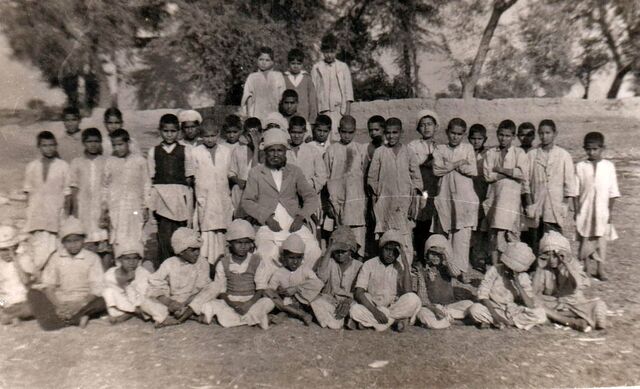
    Abba Jan's transfer took place from Mauza Salim to his ancestral homeland, Huzurpur. This village, that is Huzurpur, is a small village 5 kilometers to the east of Bhera. It was here that Khaksar passed the primary examination. This was in 1938. Abba Jan himself used to teach us in the fourth class. Consequently, that year, when the time came for the scholarship examination on a district level, four boys from our class, including Khaksar, appeared in this examination. This scholarship examination used to be conducted at the district headquarters, Sargodha, by the District Board's District Inspector, Fazal-ul-Ilahi Chishti. Abba Jan was a competent teacher. Consequently, a few months prior, he obtained the scholarship examination papers that had been conducted in Multan District under the supervision of the same District Inspector. Among them was an arithmetic question that apparently seemed somewhat complex, but Abba Jan had us practice that question repeatedly and made us memorize its answer verbally, thinking that it was possible the very same question might appear in our scholarship examination as well. And in reality, that is exactly what happened. And all four of us solved that question completely correctly. Consequently, all four of us—namely Muhammad Yunus, Inayatullah, Lal Khan, and Khaksar—were declared deserving of the scholarship.

    ¶10

    ہائی سکول کی تعلیم کے لئے خاکسار دوسرے طلبہ کے ساتھ گورنمنٹ ہائی سکول بھیرہ میں داخل ہوااوروہیں سے دسویں کا امتحان پاس کِیا۔خاکسار کا یہ چھ سالہ تعلیمی زمانہ اس لحاظ سے ایک خاص اہمیت کا حامل ہے کہ خاکسار پانچویں کلاس سے لے کر دسویں کلاس تک اپنی کلاس کا مانیٹر رہا۔سکول میں مسلمان ٹیچروں کے علاوہ بعض ہندو ٹیچر بھی تھے مگر اکثریت مسلمان ٹیچروں کی تھی جن میں ہیڈماسٹرصاحب میاںمحمد شفیع کے علاوہ ایک اور ٹیچرجن کا میاں فضل الٰہی تھا اور وہ ڈرائنگ ماسٹرتھے، احمدی تھے۔دوسال کے بعد میاں محمد شفیع صاحب ہیڈ ماسٹر تو قضا الٰہی سے فوت ہو گئے اور ان کی جگہ ایک اور ہیڈماسٹرمفتی محمد اسلم صاحب آ گئے۔اور پھر خاکسار کے دسویں کا امتحان دینے تک وہی ہیڈ ماسٹر رہے۔
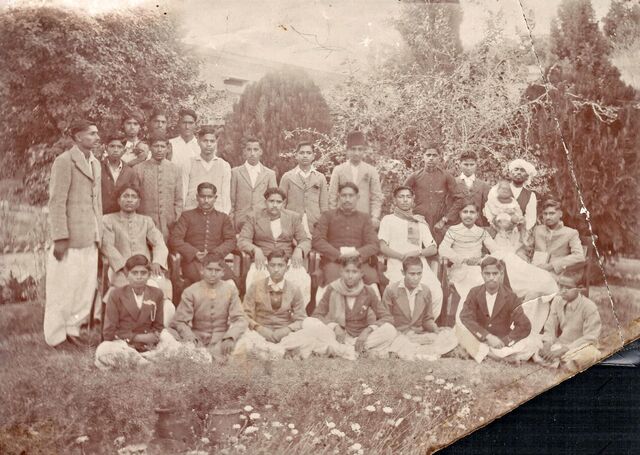
    For high school education, Khaksar was admitted to Government High School Bhera along with other students, and passed the tenth grade examination from there. This six-year educational period of Khaksar holds a special significance in the sense that Khaksar remained the monitor of his class from the fifth class to the tenth class. In the school, besides Muslim teachers, there were also some Hindu teachers, but the majority were Muslim teachers, among whom, besides the Headmaster Sahib Mian Muhammad Shafi, another teacher whose name was Mian Fazl Ilahi and who was the drawing master, were Ahmadis. After two years, Headmaster Mian Muhammad Shafi Sahib passed away by divine decree, and in his place another Headmaster, Mufti Muhammad Aslam Sahib, came. And then, until Khaksar took the tenth grade examination, he remained the Headmaster.

    ¶11

    ہائی سکول کی تعلیم کے دوران کی بعض تلخ اور بعض پر مزاح یادوں کا ذکرقارئین کی دلچسپی کا موجب ہوگا۔ پَرمزاح یادوں میں سب سے پہلے ایک ہندو ٹیچر کا ذکر کِیا جاتا ہے۔ دراز قد کے اس لحیم و جسیم ٹیچرجن کا نام ماسٹر دیوی داس تھا،سکول کے سیکنڈ ماسٹر تھے اورعموماً بڑی کلاسوں میں انگریزی اور سائنس وغیرہ پڑھاتے تھے ۔ ان کے بارے میں سکول میں داخل ہونے کے ساتھ ہی ہم طلبہ کو پتہ چل گیا کہ انہیں از راہ تفنن’’ ماسٹر شرلی داس‘‘ کے نام سے پکارا جاتا ہے۔اب ہمیںیہ تو معلوم نہیں کہ اپنے ا س nick name کے بارے میں انہیں بھی علم تھا یا نہیں مگر سکو ل بھر میں ان کا یہ نام ایسا مشہور تھا کہ طلبہ نے شاید ہی انہیںان کے اصل نام سے پکارا ہو۔ اس نام کی وجہ تسمیہ جو طلبہ میں مشہور تھی،یہ تھی کہ کسی وقت انگریزی پڑھاتے ہوئے انہوں نے لفظ surely کو’’ شرلی ‘‘پڑھ دیا تھا۔بس اس وجہ سے وہ ہمیشہ کے لئے لڑکوں میں’’ شرلی داس‘‘ مشہور ہو گئے۔ایک بار لطیفہ یہ ہوا کہ ہماری چھٹی کلاس میں ہماری کلاس کا انگریزی ٹیچر چھٹی پر چلا گیا، ان کی جگہ پڑھانے کے لئے ماسٹر دیوی داس آ گئے۔ وہ سٹیج کے اوپر کرسی پر آکر بیٹھے ہی تھے کہ لڑکوں کو کیا سوجھی کہ اَن میں ایک اٹھااور سٹیج کے اوپر جاکراپنی انگریزی کتاب کھولی اور جہاں لفظ surely لکھا تھا،وہاں انگلی رکھ کر دبی زبان سے ان سے پوچھنے لگا،ماسٹرجی،یہ کیا لفظ ہے؟وہ کہنے لگے:’’ surely‘‘یعنی اس کا اصل تلفظ بتایا۔وہ دل ہی دل میں مسکراتے ہوئے واپس اپنے ڈیسک پر آکر بیٹھا ہی تھا کہ ایک دوسرا لڑکا اٹھا اور اسی طرح سٹیج پر جاکر اسی لفظ پر انگلی رکھ کران سے پوچھنے لگا،ماسٹر جی،یہ کیا لفظ ہے؟انہوں نے اسے بھی اس کا صحیح تلفظ بتایا اور وہ بھی اسی طرح اپنے چہرے کے اوپر ہلکی سی مسکراہٹ بکھیرے اپنی کرسی کے اوپرواپس آگیا۔ ابھی وہ اپنے ڈیسک پرآیا ہی تھا کہ ایک تیسرا اٹھااور وہ بھی اسی طرح لفظ surely پرانگلی رکھ کر ان کے پاس آیا اور کہنے لگا،ماسٹرجی ،یہ کیا لفظ ہے؟ اس طرح پرلڑکوں کا ایک تانتا سا بندھ گیا تو ماسٹر دیوی داس صاحب اونچی آواز سے کہنے لگے،بھئی یہ لفظ surely ہے surely۔وہ اپنے اوپر اس مذاق کو سمجھ تو گئے مگر انہوں نے کسی لڑکے کواس پر نہ جھاڑا اور نہ مارا۔

    Mentioning some of the bitter and some of the humorous memories during high school education will be a source of interest for the readers. Among the humorous memories, first of all, a Hindu teacher is mentioned. This tall, bulky, and hefty teacher, whose name was Master Devi Das, was the school's second master and usually taught English, science, etc. in the senior classes. Upon entering the school, we students found out about him that he was called "Master Shirley Das" by way of jest. Now we do not know whether he himself was aware of this nickname of his or not, but throughout the school this name of his was so famous that students hardly ever called him by his real name. The reason for this name that was famous among the students was that once while teaching English, he had pronounced the word surely as "Shirley". Just for this reason, he became famous among the boys forever as "Shirley Das". Once an amusing incident occurred when in our sixth class, our class's English teacher went on leave, and Master Devi Das came to teach in his place. He had barely sat down on the chair upon the stage when what got into the boys that one of them stood up, went up to the stage, opened his English book, placed a finger where the word surely was written, and asked him in a subdued voice, "Master Ji, what word is this?" He said: "surely"—meaning he stated its actual pronunciation. He had barely returned to sit at his desk while smiling inwardly when a second boy stood up, went up to the stage in the same way, placed a finger on the same word, and asked him, "Master Ji, what word is this?" He told him its correct pronunciation as well, and he too returned to his chair in the same manner, spreading a slight smile across his face. He had barely reached his desk when a third one stood up and he too came to him in the same manner, placing a finger on the word surely, and said, "Master Ji, what word is this?" When a continuous stream of boys formed in this manner, Master Devi Das Sahib said in a loud voice, "Brother, this word is surely, surely." He understood the joke played upon him, but he neither scolded nor beat any boy for it.

    ¶12

    انہی کے بارے میں اسی طرح کا ایک اورلطیفہ ہماری کلاس میں یوں رونما ہوا کہ ہمارے انگریزی کے استادچند دنوں کے لئے رخصت پر چلے گئے۔چنانچہ اس بار بھی اتفاق سے ماسٹر دیوی داس ہمیں انگریزی پڑھانے کے لئے آ گئے اور کچھ دنوں تک پڑھاتے رہے۔ان کا طریق تھا کہ ایک دن جو سبق پڑھاتے،دوسرے دن سن لیا کرتے۔ایک دن جب وہ ایک لڑکے سے سبق سن رہے تھے تو وہ لفظ reply کاتلفظ اس بھول گیا۔چنانچہ اس نے ’’ریپلائی‘‘ کو’’ ریپلی ‘‘پڑھا۔ اس پر جواَس کے اور ماسٹر دیوی داس صاحب کے درمیان جو مکالمہ ہوا،وہ ہم مدتوں مزے لے لے کر دہراتے رہے۔ وہ کچھ اس طرز کا تھا:

    Another similar anecdote regarding him occurred in our class in this way: our English teacher went on leave for a few days. Thus, this time as well, by chance, Master Devi Das came to teach us English and continued teaching for a few days. His practice was that whatever lesson he taught one day, he would hear the next day. One day, when he was hearing the lesson from a boy, the boy forgot the pronunciation of the word "reply". Consequently, he read "reply" as "reeply". The dialogue that took place between him and Master Devi Das Sahib upon this was something we kept repeating with relish for a long time. It was somewhat along these lines:

    ¶13

    لڑکا:’’رِیپلی‘‘

    Boy: "Ripley"

    ¶14

    ماسٹر دیوی داس صاحب:(بڑے زور سے گویا چِلُاکر)’’رِیپلی دا بچہ!‘‘

    Master Devi Das Sahib: (very loudly, as if shouting) "Son of Ripley!"

    ¶15

    لڑکا(تلفظ کو درست کرتے ہوئے):’’ریپلی‘‘

    Boy (correcting the pronunciation): "Ripley"

    ¶16

    ماسٹر دیوی داس صاحب:(پہلے سے بھی زیادہ زور سے چِلُاتے ہوئے):’’ریپلی دا بچہ!سَور دا بچہ!، (اور پھر ذرا لمبا کھینچ کر)’’رِی ، پلا ، ئی!‘‘

    Master Devi Das Sahib: (shouting even louder than before): "Son of Ripley! Son of a swine!, (and then dragging it out a little) "Ree, plaa, ee!"

    ¶17

    اسی طرح جب ہم ساتویں کلاس میں پہنچے تو ایک ٹیچر جو ہمیں اردو پڑھایا کرتے تھے(ان کا نام بھولتا ہے)،اتنی سخت طبیعت کے مالک تھے کہ یوں لگتا تھا،غصے سے بھرے ہوئے ہیں۔ان کے کلاس میں داخل ہوتے ہی سارے کلاس یوں سہم جاتی جیسے کوئی آفت نازل ہوگی ہو۔ویسے چونکہ ہمیں پتہ تھا کہ وہ ایک لمحہ بھی تاخیر برداشت نہیں کرتے،اس لئے ہم سب طلبہ اپنی اردو کی کتاب ان کے پہنچنے سے پہلے ہی بستوں میں سے نکال کر اپنے ڈیسکوں کے اوپر رکھ لیا کرتے تھے۔ ایک دن یوں ہوا کہ ماسٹر صاحب(ان کا نام بھولتا ہے مگر تھے وہ مسلمان اور جسم کے لحاظ سے بھی کافی مضبوط بلکہ پہلوان لگتے تھے)اپنی کتاب لانابھول گئے ۔چنانچہ کلاس میں آکر سٹیج کے اوپر بیٹھتے ہی منہ نیچا کرکے نہایت دھیمی آواز میں بولے:’’کتاب دیں‘‘ ۔یعنی لڑکوں سے پڑھانے کے لئے کتاب مانگی۔مگر اس قدر دھیمی الفاظ میں یہ جملہ کہا کہ ہمیں کچھ سمجھ نہ آئی کہ کیا کہا ہے۔تاہم سب لڑکے سرآگے کرکے ان کی طرف متوجہ ہو گئے۔انہوں نے دوبارہ وہی جملہ مگر پھر اسی قدردھیمی الفاظ سے بولا:’’کتاب دیں‘‘۔اب بھی ہم کچھ نہ سمجھے کہ کیا کہا ہے،تاہم سب نے اپنے سروں کوذرا اورآگے کر لیا۔اب جو ماسٹر صاحب کو غصہ آیاتوبڑے زور سے مندرجہ ذیل جملہ ان سے منہ سے نکلا:’’اوکھچردے بچیو،کتاب بھی دیوو!‘‘۔ ان کے یہ جملہ بولتے ہی سب لڑکے اپنی اپنی کتاب اٹھا کران کی طرف بڑھے۔جب وہ ماسٹر صاحب گھنٹی بجنے پر کلاس چلے گئے تولڑکوں کو ایک اورشغل ہاتھ آ چکا تھا۔وہ بار بارماسٹر صاحب کا یہ جملہ دہرانے لگے:’’اوکھچردے بچیو،کتاب بھی دیوو!‘‘

    Similarly, when we reached the seventh class, a teacher who used to teach us Urdu (I forget his name) was of such a strict nature that it seemed as if he was filled with anger. As soon as he entered the classroom, the entire class would cower as if some calamity had descended. Anyway, since we knew that he did not tolerate even a moment's delay, all of us students used to take our Urdu books out of our bags before his arrival and place them on top of our desks. One day it so happened that Master Sahib (I forget his name, but he was a Muslim and physically quite strong, looking rather like a wrestler) forgot to bring his book. Therefore, upon entering the class, as soon as he sat on the stage, he lowered his head and said in a very quiet voice, "Give the book." That is, he asked the boys for a book to teach from. But he said this sentence in such quiet words that we could not understand anything he said. However, all the boys tilted their heads forward and turned their attention toward him. He spoke the same sentence again, but once more in equally quiet words, "Give the book." Even then we did not understand what he had said; however, everyone moved their heads a little further forward. Now when Master Sahib grew angry, the following sentence came out of his mouth with great force: "O sons of a mule, give the book as well!" As soon as he uttered this sentence, all the boys picked up their respective books and moved toward him. When Master Sahib left the class at the ringing of the bell, the boys had found a new pastime. They began repeatedly echoing this sentence of Master Sahib: "O sons of a mule, give the book as well!"

    ¶18

    پچھلے صفحات میں بتایا جا چکا ہے کہ خاکسار کے گورنمنٹ ہائی سکول بھیرہ میں داخل ہونے کے وقت احمدی ہیڈماسٹرصاحب میاںمحمد شفیع صاحب تھے جو دو سال بعد ہی قضا الٰہی سے فوت ہو گئے ۔ ان کی جگہ کو ہیڈماسٹرصاحب آئے اور جن کا نام مفتی محمد اسلم صاحب تھا،وہ نظم و ضبط کے لحاظ سے تو کافی سخت گیر واقع ہوئے تھے، ہمیشہ اپنے ہاتھ میںبید رکھتے۔اوراگر انہیں کوئی لڑکا کلاس روم سے باہرشورکرتا ہوا یاسکول گراؤنڈ میں آوارہ پھرتا ہوا نظرآ جاتا توفوراًاسے دو بید لگا کرکلاس روم میں بھجوا دیتے۔دوسری بات انہوں نے سکول میں آتے ہوئے یہ کی کہ سکول میں جاری شدہ ایک دیرینہ رسم کو انہوں نے بند کروا دیا۔وہ رسم یہ تھی کہ ہر سال جب دسویں کلاس کے سکول سے فارغ ہونے کا وقت آتاتونویں کلاس کے طلبہ کی طرف سے انہیں ایک الوداعی پارٹی دی جاتی جس میں ہر دو کلاس کے طلبہ کے علاوہ تمام اساتذہ بھی شامل ہوتے ۔اس طرح پر بیس پچیس طلبہ کو قریبًا ستر،اسی لوگوں کی مہمان نوازی کا خرچ برداشت کرنا پڑتا تھا۔ہیڈ ماسٹر صاحب موصوف نے اس رسم کو طلبہ پر غیر ضروری مالی بوجھ سمجھتے ہوئے ہمیشہ کے لئے بند کر دیا۔

    It has been mentioned in the previous pages that at the time of this humble one's admission to Government High School Bhera, the Ahmadi Headmaster Sahib was Mian Muhammad Shafi Sahib, who passed away by divine decree just two years later. The Headmaster Sahib who came in his place, whose name was Mufti Muhammad Aslam Sahib, turned out to be quite strict in terms of discipline; he always kept a cane in his hand. And if he saw any boy making noise outside the classroom or wandering aimlessly in the school ground, he would immediately strike him twice with the cane and send him into the classroom. The second thing he did upon coming to the school was that he abolished a long-standing tradition running in the school. That tradition was that every year, when the time came for the tenth class to leave the school, a farewell party was hosted for them by the students of the ninth class, in which, besides the students of both classes, all the teachers were also included. In this way, twenty to twenty-five students had to bear the expense of hospitality for approximately seventy to eighty people. The said Headmaster Sahib, considering this tradition an unnecessary financial burden on the students, ended it forever.

    ¶19

    وہ دسویں کلاس کوعموماً انگریزی پڑھایا کرتے تھے، تاہم چونکہ ہم ابھی نچلی کلاسوں میں پڑھتے تھے،ا ن کی بطور ٹیچرخوبیوںکا علم اَس وقت تک نہ ہو سکا جب ہم خود دسویں کلاس میں نہ پہنچ گئے ۔اس سلسلہ میں اپنی ذات کے ساتھ بیتا ہوا ایک واقعہ کا ذکر کرتا ہوں ۔ وہ ہمیں پوئٹری(انگریزی کی نظموں کی کتاب)پڑھا تے ہوئے ہرلفظ اور ہر شعر کی خوب تشریح کرتے۔پھر دوسرے روزطلبہ سے وہ ضرور سنتے۔جو طلبہ ان کی بتائی ہوئی تشریح کے مطابق جواب نہ دے سکتے،انہیں کھڑا کر دیتے اور پھر ایک ایک کودو ،دو بید لگاتے۔یہ ان کا روز مرہ کا معمول تھا۔خاکسارچونکہ مانیٹر بھی تھا جس کا ہیڈ ماسٹر صاحب کو علم تھااورعموماً ان کا پڑھایاسبق باقاعدہ یاد کرکے آتا تھا ،اسلئے انہوں نے خاکسار سے اپنا پڑھا یا ہوا سبق بہت کم سنا کرتے تھے۔ ایک دن خاکسار نے سستی کی اور سبق یاد نہ کیا۔کچھ یہ بھی خیال تھا کہ مجھ سے تو وہ سنتے ہی نہیں۔لیکن ہوا یہ کہ انہوں نے مجھ سے ہی سن لیا اور غلط سنانے پر مجھے بھی دوسرے طلبہ کے ساتھ کھڑ ا کر دیا ۔اب جب سزا دینے کا وقت آیا تو یہ کہہ کر کہ آج سب بیٹھ جائیں،انہوں نے کسی کو سزا نہ دی۔اَس دن سب لڑکوں نے میرا شکریہ ادا کِیا کہ آج تمہاری وجہ سے ہم سب سزا سے بچ گئے ہیں۔

    He usually taught English to the tenth class; however, since we were still studying in lower classes, his qualities as a teacher could not be known until we ourselves reached the tenth class. In this regard, I mention an incident that happened to my own self. While teaching us poetry (the book of English poems), he would thoroughly explain every word and every verse. Then on the next day, he would definitely hear it from the students. Those students who could not answer according to the explanation he had given, he would make them stand up and then strike each one with two canes. This was his daily routine. Since Khaksar was also the monitor, of which Headmaster Sahib was aware, and usually came after regularly memorizing the lesson taught by him, he very rarely listened to his taught lesson from Khaksar. One day Khaksar showed laziness and did not memorize the lesson. There was also this thought that he does not hear it from me anyway. But what happened was that he listened to it from me, and upon reciting incorrectly, he made me stand up along with the other students as well. Now when the time came to give punishment, by saying, "Today everyone sit down," he did not punish anyone. On that day all the boys thanked me saying, "Today, because of you, we all have been saved from punishment."

    ¶20

    دسویں کلاس کا یونیورسٹی کا امتحان مارچ ۱۹۴۴ئ میں ہوا۔خاکساراس امتحان میں ۶۳۴ نمبر لے کر سکول میں اوُل آیاجس کے نتیجے میں خاکسار کا نام جیسا کے دستور تھا،سکول کے بورڈ پر لکھا گیا۔فالحمد للہ علیٰ ذٰلک

    The 10th class university examination took place in March 1944. Khaksar stood first in the school by securing 634 marks in this examination, as a result of which, as was the custom, Khaksar's name was written on the school board. So praise be to Allah for that.

    ¶21

    Admission to Talim-ul-Islam College Qadian

    تعلیم الاسلام کالج قادیان میں داخلہ

    ¶22

    گورنمنٹ ہائی سکول بھیرہ سے ۱۹۴۴ئ میں میٹرکولیشن کا امتحان پاس کرنے کے بعدخاکسار کا اپنے والدین کے مالی وسائل کے پیش نظر آگے تعلیم حاصل کرنے کا ارادہ نہیں تھا مگر اخبار الفضل میں پڑھنے میں آیا کہ قادیان میں کالج کھل گیا ہے ،اوریہ کہ جن احمدی طلبہ نے میٹرک پاس کر لیا ہو اور وہ اس میں داخلہ لینا چاہیں، وہ فلاں تاریخ تک قادیان پہنچ جائیں۔چنانچہ خاکسار اپنے والدین سے مشورہ کرنے کے بعد تعلیم الاسلام کے نام سے کھلنے والے اس کالج میں داخلہ لینے کے لئے قادیان پہنچ گیا۔اس سے قبل خاکسار ۱۹۴۰ئ کے جلسہ سالانہ پر اپنے ابا جان ماسٹر امام علی صاحب حضور پوری کے ساتھ قادیان دیکھ چکا تھا۔قادیان احمدیت کا عالمی مرکز اور خلافت کا پایۂ تخت ہونے کے لحاظ سے ہر احمدی کی توجہات کا مرکز تو تھا ہی تاہم خاکسار کے لئے اس میں علاوہ اس کے ایک ذاتی دلچسپی کی بات یہ بھی تھی کہ یہاں خاکسار کی ایک تائی صاحبہ غلام فاطمہ(بیوہ ماسٹر محمد زمان صاحب مرحوم) رہ رہی تھیں اور جن کا نام ہم اپنے گھر میں اکثر سنتے رہتے تھے اور جنہیں میں ۱۹۴۰ئ کے جلسہ سالانہ پر قادیان میں اپنی پہلی بارآمد کے موقع پر دیکھ بھی چکا تھا۔ خاکسار اپنے اس تایاکے بارے میں پچھلے صفحات میں بتا چکا ہے کہ ہمارے خاندان میں سب سے پہلے آپ ہی نے احمدیت قبول کی تھی۔وہ ٹیچر تھے اور۱۹۱۴ئ کے لگ بھگ قادیا ن میں آگئے تھے مگر ان کی عمر نے وفا نہ کی اور وہ تپ محرقہ سے بیمار ہو کر ۱۹۱۹ئ میں فوت ہو گئے اور بہشتی مقبرہ قادیان میں دفن ہوئے ۔ یہ خلافت ثانیہ کا ابتدائی دور تھا اور حضرت خلیفۃ المسیح الثانی رضی اللہ عنہ انہیں اچھی طرح جانتے تھے اور پھر ان کے وفات پا جانے کے بعد حضور رضی اللہ عنہ ہی کے مشورہ پر خاکسار کی تائی صاحبہ دارالمسیح قادیان میں منتقل ہو کربعض دیگر بیوہ عورتوں کے ہمراہ رہنے لگ گئی تھیں۔

    After passing the matriculation examination from Government High School Bhera in 1944, the humble one had no intention of pursuing further education in view of his parents' financial resources. However, it was read in the newspaper Al-Fazl that a college had opened in Qadian, and that those Ahmadi students who had passed matriculation and wished to gain admission to it should reach Qadian by such and such date. Consequently, after consulting his parents, the humble one reached Qadian to gain admission to this college opening under the name of Talim-ul-Islam. Prior to this, the humble one had seen Qadian at the of 1940 with his father, Master Imam Ali Sahib Huzoorpuri. Being the international center of Ahmadiyyat and the seat of , Qadian was naturally the focus of attention for every Ahmadi; however, for the humble one, besides this, there was also a matter of personal interest in that a Tai Sahibah of the humble one, Ghulam Fatima (widow of the late Master Muhammad Zaman Sahib), was residing here, whose name we used to hear often in our home and whom I had also seen on the occasion of my first visit to Qadian at the Jalsa Salana of 1940. The humble one has already mentioned about this Taya of his in the previous pages that he was the very first in our family to accept Ahmadiyyat. He was a teacher and had come to Qadian around 1914, but his life did not last and he fell ill with typhoid fever and passed away in 1919, and was buried in Bahishti Maqbara Qadian. This was the early period of the Second Khilafat, and Hazrat Khalifatul Masih II (may Allah be pleased with him) knew him well. Then, after his passing away, upon the advice of Huzoor (may Allah be pleased with him) himself, the humble one's Tai Sahibah moved to Darul Masih Qadian and began residing there along with some other widowed women.

    ¶23

    خاکسار ا س کالج میں داخلہ لینے کی غرض سے جون ۱۹۴۴ئ کی کسی تاریخ کو بھیرہ سے گاڑی پر سوار ہو کر لاہور اور امرتسر سے ہوتا ہوا قادیان پہنچ گیا اور مہمان خانہ میں اترا ۔ اسی شام مسجد مبارک میں مغرب کی نماز ادا کرنے کے بعد جب حضرت خلیفۃ المسیح الثانی رضی اللہ عنہ مسجد میں تشریف فرما ہوئے تو خاکسارنے بطور بھتیجہ ماسٹر محمد زمان حضور سے اپنا تعارف کرایا اور اپنے قادیان آنے کی غرض بیان کی۔اسی شام یا اس سے اگلے روز خاکسار اپنی تائی صاحبہ سے بھی ملا۔وہ بہت خوش ہوئیں،گھر کا حال احوال پوچھا اور ملتے رہنے کے لئے کہا۔

    For the purpose of taking admission in this college, on some date in June 1944, this humble one boarded a train from Bhera, passed through Lahore and Amritsar, reached Qadian, and stayed at the Mehman Khana. That same evening, after offering Maghrib prayer in Masjid Mubarak, when Hazrat Khalifatul Masih II Radhiyallahu 'Anhu was present in the mosque, this humble one introduced himself to Huzoor as the nephew of Master Muhammad Zaman and stated the purpose of his coming to Qadian. That same evening or the next day, this humble one also met his Tai Sahibah. She was very happy, inquired about the well-being of the home, and asked him to keep visiting.

    What was happening· 1944

    The Second World War was in its final year. He entered the new college at Qadian while the war was still being fought.

    ¶24

    کالج میں داخلے شروع ہو چکے تھے۔چنانچہ خاکسارنے مجوزہ فارم پر داخلے کی درخواست جمع کرادی۔رہائش کے لئے معلوم ہوا کہ محلہ دارالانوارمیں ’’گیسٹ ہاؤس‘‘ کے نام سے ایک نئی تعمیر شدہ عمارت میں کالج کا عارضی ہوسٹل کھل گیاہے۔ ہوسٹل کے سپرنٹنڈنٹ مکرم چودھری محمد علی صاحب ایم۔ اے تھے۔ چند دنوں کے بعد اس وقت تک آنے والے کالج میں داخلہ کے امیدواروں کو انٹر ویو کے لئے بلایا گیا۔یہ تو معلوم ہو چکا تھا کہ اس کالج کے پرنسیپل حضرت میاں ناصر احمد صاحب ہیں جو حضرت خلیفۃ المسیح الثانی کے سب سے بڑے صاحبزادے ہیں اور چند سال قبل آکسفورڈ یونیوسٹی سے گریجوئیشن کرنے کے بعد واپس لوٹے تھے مگر تاحال آپ سے ملاقات نہ ہوئی تھی ۔جب خاکسار انٹر ویوکے لئے بورڈ کے سامنے پیش ہوا تو پہلی بار حضور کی بارعب شخصیت سامنے آئی۔حضور کے علاوہ بورڈ کے ممبران میں اَس وقت تک کے جملہ پروفیسران کرام بھی موجود تھے۔ان میں خاکسارسوائے پروفیسرمیاں عطائ الرحمن صاحب کے جو بھیرہ کے رہنے والے تھے اور کسی کو نہیں جانتا تھا تاہم پرنسیپل صاحب کے علاوہ جس شخصیت نے مجھے سب سے زیادہ متأثر کیا،وہ پروفیسر اخوندمحمد عبدالقادر صاحب مرحوم تھے۔انہوں نے انٹر ویو کے دوران انگریزی میں مجھ سے ایک سوال بھی کِیا۔سوال کیا تھا،ایک مختصر سی حکایت بیان کی اور بیان کر کے انہوں نے مجھ سے پوچھا کہ بتائیں ایسا کیوں ہوا۔مجھے تو حکایت کی ہی سمجھ نہ آئی تھی،میں جواب کیا دیتا۔ میرا جواب صرف یہ تھا I beg your pardon , sir :

    Admissions to the college had begun. Therefore, Khaksar submitted the application for admission on the prescribed form. For accommodation, it was learned that a temporary college hostel had opened in a newly constructed building named "Guest House" in Muhallah Dar-ul-Anwar. The superintendent of the hostel was Mukarram Chaudhry Muhammad Ali Sahib M.A. After a few days, the candidates for admission to the college who had arrived up to that time were called for an interview. It was already known that the principal of this college was Hazrat Mian Nasir Ahmad Sahib, who was the eldest son of Hazrat Khalifatul Masih al-Thani and had returned a few years ago after graduating from Oxford University, but until then I had not met him. When Khaksar appeared before the board for the interview, Huzoor's awe-inspiring personality came before me for the first time. Apart from Huzoor, all the respected professors up to that time were also present among the members of the board. Among them, Khaksar did not know anyone except Professor Mian Ata-ur-Rahman Sahib, who was a resident of Bhera; however, apart from the Principal Sahib, the personality who impressed me the most was the late Professor Akhund Muhammad Abdul Qadir Sahib. During the interview, he also asked me a question in English. What was the question? He narrated a short anecdote, and after narrating it, he asked me to tell why it happened so. I had not even understood the anecdote itself; what answer could I give? My answer was only this: I beg your pardon, sir.

    ¶25

    میرے اس جواب پر بورڈ کے تمام ممبران مسکرا دئے اور خاکسار شرمسار ہو کر رہ گیا ۔بہر حال میرا داخلہ ہو چکا تھا اور جیسا کہ جلد پتہ چل گیا ،مجھے رول نمبر One دیا گیا ۔ اس کی وجہ جیسا کہ بعد میں معلوم ہوئی،یہ تھی کہ اَس وقت تک داخل ہونے والے تمام طلبہ جو تعداد میں ۵۱ تھے،انہیں میٹرکولیشن کے امتحان میں حاصل ہونے والے نمبروں کے لحاظ سے ترتیب دیا گیاتھا اور ان میں میرے نمبر سب سے زیادہ تھے۔بعد میں اگرچہ بعض وہ طلبہ بھی داخل ہوئے جنہوں نے مجھ سے زیادہ نمبر حاصل کئے تھے بلکہ ایک نے یونیورسٹی میں وظیفہ بھی حاصل کیا تھا،میرا رول نمبر One ہی رہا۔اس کلاس میں قادیان اور بیرونجات سے آنے والے احمدی طلبہ کے علاوہ قادیان کے بعض ہندو اور سکھ طلبا بھی تھے۔

    At this answer of mine, all the members of the board smiled and this humble one was left embarrassed. In any case, my admission had been done and as was soon found out, I was given Roll Number One. The reason for this, as became known later, was that all the students admitted up to that time, who were 51 in number, had been arranged according to the marks obtained in the matriculation examination, and among them my marks were the highest. Later on, although some students were also admitted who had obtained higher marks than me, in fact one had even secured a scholarship in the university, my Roll Number remained One. In this class, besides Ahmadi students coming from Qadian and outside, there were also some Hindu and Sikh students of Qadian.

    ¶26

    The Inaugural Ceremony of Taleem-ul-Islam College

    تعلیم الاسلام کالج کی افتتاحی تقریب

    ¶27

    تعلیم الاسلام کالج کے انتظامی امور کی سرانجام دہی کے لئے حضرت امیرا لمؤمنین خلیفۃ المسیح الثانی نے ایک کمیٹی تشکیل دی تھی جس کے ممبران مندرجہ ذیل تھے: حضرت صاحبزادہ میاںبشیر احمد صاحب ،ایم۔اے(صدر)۔حضرت صاحبزادہ میاں ناصر احمد صاحب(پرنسیپل کالج)۔ حضرت مولوی محمد دین صاحب ،بی۔اے ۔ قاضی محمد اسلم صاحب ایم ۔اے۔ملک غلام فرید صاحب۔ایم ۔اے(سیکرٹری)۔

    For the execution of administrative matters of , Hazrat Amir-ul-Mu'minin Khalifatul Masih II had formed a committee whose members were as follows: Hazrat Sahibzada Mian Bashir Ahmad Sahib, M.A. (President). Hazrat Sahibzada Mian Nasir Ahmad Sahib (Principal of the College). Hazrat Maulvi Muhammad Din Sahib, B.A. Qazi Muhammad Aslam Sahib, M.A. Malik Ghulam Farid Sahib, M.A. (Secretary).

    ¶28

    بتاریخ ۴ ؍جون ۱۹۴۴ئ حضور کی صدارت میں تعلیم الاسلام کالج کی افتتاحی تقریب منعقد ہوئی جس میں کالج کی کمیٹی کے صدر اور ممبر ان کے علا وہ صدر انجمن احمدیہ کے ممبران اورصحابہ کرام بھی شامل تھے۔اس تقریب کی جملہ کاروائی کالج کی عمارت کے سامنے والے کھلے میدان میں سرانجام پائی،جس میں تلاو ت قرآن کے بعد بعد نظم پڑھنے کا اعزاز خاکسار کے حصے میں آیا۔اس کی وجہ یہ نہیں تھی کہ میں بہت اچھی نظمیں پڑھنے والا تھا بلکہ ہوا یہ کہ ہوسٹل میں داخل ہونے والے طلبہ کے درمیان مکرم چودھر ی محمد علی صاحب سپرنٹنڈنٹ ہوسٹل کی زیر صدارت جونظم خوانی کامقابلہ ہوا،اس میں قرعہ خاکسار کے نام نکلا۔ مجھے یاد ہے کہ مکرم چودھری صاحب موصوف نے حضرت خلیفۃ المسیح الثانی کی نظم’’نو نہالان جماعت مجھے کچھ کہنا ہے۔ پر ہے یہ شرط کہ ضائع مرا پیغام نہ ہو‘‘،مجھ سے کئی بار پڑھوائی،اس کے الفاظ درست کئے،لب لہجہ کے بارے میں ہدایات دیں اور چونکہ یہ نظم خود سیدنا حضرت خلیفۃ المسیح الثانی کی موجودگی میں پڑھی جا نی تھی، اس لئے ہر طرح سے تسلی کر لی گئی کہ تلفظ میں کوئی غلطی سرزد نہ ہو۔یہ نظم خاکسار نے پڑھی تو سہی لیکن خود مجھے اس کے پڑھنے میں ذرہ بھر لطف نہ آیا۔لازماً یہی صورت سامعین کی ہوگی۔

    On 4 June 1944, under the presidency of Huzoor, the opening ceremony of Talim-ul-Islam College was held, in which, besides the president and members of the college committee, members of Anjuman Ahmadiyya and Sahaba Karam were also present. All the proceedings of this ceremony took place in the open ground in front of the college building, in which after the recitation of the Quran, the honor of reciting a poem fell to khaksar. The reason for this was not that I was a very good reciter of poems; rather, what happened was that in the poem recitation competition held among the students admitted to the hostel under the chairmanship of Mukarram Chaudhry Muhammad Ali Sahib, Hostel Superintendent, the lot fell to khaksar's name. I remember that the said Mukarram Chaudhry Sahib made me recite Hazrat Khalifatul Masih Al-Thani's poem, "Naunihelan-e-Jamaat mujhe kuchh kehna hai. Par hai yeh shart ke zaya mera paigham na ho," several times, corrected its words, gave instructions regarding tone and accent, and since this poem was to be recited in the presence of Syedna Hazrat Khalifatul Masih Al-Thani himself, full satisfaction was ensured in every way so that no error in pronunciation would be committed. Khaksar did recite this poem, but I myself did not derive the slightest pleasure from reading it. Naturally, the condition of the audience must have been the same.

    ¶29

    اس افتتاحی تقریب میں سیدنا حضرت خلیفۃ المسیح الثانی رضی اللہ تعالیٰ عنہ نے پہلے تو یہ فرمایا کہ اس تعلیم الاسلام کالج کا افتتاح اپنے اندر دو گونہ مقاصد رکھتا ہے۔ایک مقصد تو اشاعت تعلیم ہے جس کے بغیر کسی قوم کی تمدنی اور اقتصادی حالت درست نہیں رہ سکتی۔ دوسرا مقصد یہ بتانا ہے کہ اس کالج کے دروازے ہر قوم اور ہر مذہب کے لئے کھلے ر ہیں گے کیونکہ تعلیم کا حصول کسی ایک قوم کے لئے نہیں ہے۔ہمارا فرض ہے کہ ہم تعلیم کو بحیثیت ایک انسان ہو نے کے ہر انسان کے لئے ممکن اور سہل الحصول بنادیں۔ دوسرے فرمایا، تعلیم کے بارے میں ہمارا تجربہ بتاتا ہے کہ بعض باتیں جو آج سے کئی سال پہلے درست اور غیر متبدل سمجھی جاتی تھیں،آج کی تعلیم انہیں ردُ کر رہی ہے۔مثلاً نیوٹن کے کشش ثقل کے بارے میں دریافت کردہ بعض اصول آئن سٹائن نے غلط ثابت کر دئے۔چونکہ تعلیم غلط ہو یا صحیح،اس کا اثرانسانی طبائع پر ضرور پڑتا ہے،اس لئے ہماری اس انسٹی ٹیوٹ کا یہ بھی فرض ہوگا کہ جو باتیں غلط ہیں،بجائے اس کہ کل کے علوم ان کا باطل ہونا ثابت کریں، ہماری اس انسٹی ٹیوٹ میں کام کرنے والے پروفیسران قرآن کریم کی روشنی میں آج ہی ان کا باطل ہوناثابت کرکے دکھا دیں۔فرمایا،اس کے لئے ضروری ہے کہ ہمارے کالج کے منتظمین مختلف علوم کی ایسی سوسائٹیاں قائم کریں جن کی غرض یہ ہو کہ آج اسلام اور احمدیت پر جو علوم کے ذریعے حملے ہو رہے ہیں،ان کاعلوم کے ذریعہ ہی جواب دیں۔فرمایا،جہاں تک قرآن کریم کی تعلیم کو درست اور ہر عیب سے پاک قرار دینے کا سوال ہے تو یہی کام اِس وقت فرشتے بھی کررہے ہیں اور اگر یہ کام ہمارے پروفیسران کرنے لگ جائیں گے تو اس کامطلب یہ ہو گا کہ وہ فرشتوں کا کام کر رہے ہیں ،اور اگر وہ یہ کام دیانتدداری سے سرانجام دیں گے تو ضرور کا میاب ہوں گے۔آپ نے اس بارے میں خدا کی ہستی کی مثال دیتے ہوئے فرمایا کہ ہر مذہب و ملت کا شخص خدا کی ہستی کو مانتاہے خواہ وہ کیسے ہی مانتا ہو۔تو اگر اس کالج سے فارغ ہونے والے طلبہ خدا کی ہستی اور محبت کااحساس لے کر نکلیں گے تو وہ آگے اسی بات کو پھیلائیں گے جس سے دہریت کا قلع قمع ہوگا۔پس ہمیں ان باتوں پراس قدر زور دینا چاہئے کہ یہ چیز ہمارے کالج کا امتیازی نشان بن جائے۔

    In this inaugural ceremony, Syedna Hazrat Khalifatul Masih the Second (may Allah be pleased with him) first stated that the inauguration of this Talim-ul-Islam College holds twofold objectives within itself. One objective is the dissemination of education, without which the civilizational and economic condition of any nation cannot remain sound. The second objective is to state that the doors of this college will remain open for every nation and every religion, because the acquisition of education is not meant for any single nation. It is our duty that, as human beings, we make education possible and easily attainable for every human being. Secondly, he stated, our experience regarding education tells us that certain things that were considered correct and unalterable many years ago from today are being rejected by today's education. For example, Einstein proved wrong certain principles discovered by Newton regarding gravity. Since education—whether wrong or right—definitely affects human temperaments, it will also be the duty of our institute that regarding those matters which are incorrect, instead of tomorrow's sciences proving them to be false, the professors working in this institute of ours should demonstrate their falsehood today itself in the light of the Holy Quran. He stated that for this, it is necessary that the administrators of our college establish such societies of various disciplines whose purpose should be to answer through knowledge and science those attacks that are being made today on Islam and Ahmadiyyat through knowledge and science. He stated that as far as declaring the teaching of the Holy Quran to be correct and free from every flaw is concerned, angels are also doing this very work at this time, and if our professors begin to do this work, it will mean that they are doing the work of angels, and if they perform this task with honesty, they will surely succeed. Giving the example of the existence of God in this regard, he stated that a person of every religion and creed believes in the existence of God, no matter how he believes. So if the students graduating from this college emerge carrying the realization of God's existence and love, they will spread this very message forward, which will eradicate atheism. Therefore, we should emphasize these matters to such an extent that this becomes the distinguishing feature of our college.

    ¶30

    آپ نے اس کالج کے ساتھ ایک ریسرچ انسٹی ٹیوٹ کے قیام کا بھی اعلان فرمایا۔اس کے اغراض و مقاصد بیان کرتے ہوئے آپ نے فرمایا :

    He also announced the establishment of a research institute along with this college. Stating its aims and objectives, he said:

    ¶31

    ’’ہمارا کالج دراصل دنیا کی ان زہروں کے مقابلہ میں ایک تریاق کا حکم رکھتا ہے جو دنیا کے مختلف ملکوں اور مختلف قوموںمیں سائنس اور فلسفہ اور دوسرے علوم کے ذریعہ پھیلائی جا ر رہی ہیں مگر اس زہر کے ازالہ کے لئے خالی فلسفہ اور دوسرے علوم کام نہیں آ سکتے بلکہ اس غرض کے لئے عملی نتائج کی بھی ضرورت ہے .......اس لئے کالج کے ساتھ ایک سائنس ریسرچ انسٹی ٹیوٹ بھی قائم کر دی گئی ہے تاکہ بیک وقت ان دونوں ہتھیاروں سے مسلح ہو کر کفر پر حملہ کیا جا سکے‘‘

    Our college, in fact, holds the status of an antidote against those poisons of the world which are being spread in different countries and among different nations of the world through science, philosophy, and other branches of knowledge. But for the eradication of this poison, mere philosophy and other branches of knowledge cannot work; rather, practical results are also required for this purpose ....... Therefore, alongside the college, a Science Research Institute has also been established so that, being armed with both these weapons at the same time, disbelief can be attacked.

    ¶32

    جیسا کہ اوپر بیان کیا گیا ہے،یہ کالج کا سال اوُل تھا یعنی ایک ہی کلاس تھی۔ فرسٹ ائر جس میں اَس وقت تک کل ۵۱ طلبہ داخلہ لے چکے تھے۔ ان میں سائنس گروپ کے ۲۴ طلبہ اور آرٹ گروپ کے ۲۷ طلبہ تھے۔خاکسار خود سائنس گروپ میں شامل تھا۔افتتاحی تقریب کے بعد کلاسیں شروع ہو گئیں۔ہمارے فزکس کے پروفیسر مکرم پروفیسر میاںعطائ الرحمن صاحب بھیروی تھے جنہیں خاکسار بھیرہ ہی سے جانتا تھا۔ آپ شاہ پور کالج میں پڑھا رہے تھے جہاں انہیں مبلغ چھ سوروپے تنخوا ہ مل رہی تھی کہ صدرانجمن کے حکم پرآپ وہاں سے استعفیٰ دے کر تعلیم الاسلام کالج میں صرف ۱۰۰ روپے مشاہرہ پر آگئے۔کیمسٹری کے پروفیسر مکرم پروفیسر یحیٰ بن عیسیٰ ایک بہاری تھے۔غالباًوہ بھی اسی قسم کی قربانی کر کے بہار سے تشریف لائے تھے۔انگریزی کے پروفیسر اخوند محمد عبدالقادر صاحب تھے۔آپ اس سے قبل تعلیم الاسلام ہائی سکول قادیان میں انگریزی پڑھا رہے تھے اور کالج بن جانے پر آپ کو کالج میں لے لیا گیا۔ریاضی کے پروفیسر چودھری عبدالرحمن صاحب تھے۔دیگر پروفیسران کے بارے میں خاکسار کو سوائے مکرم چودھری محمد علی صاحب اور صوفی بشارت الرحمن صاحب کے اِس وقت کچھ یاد نہیں ۔اول الذکر فضل عمر ہوسٹل کے سپرنٹنڈنٹ ہونے کے علاوہ سائیکالوجی کے پروفیسر تھے جبکہ مؤالذکر ہوسٹل کے ٹیوٹر اور دینی امور کے نگران ہونے کے علاوہ عربی کے پروفیسر تھے۔یہ ہردو پروفیسران غالباً انہی ایام میں پنجاب یونیورسٹی سے اپنے اپنے مضامین کی ڈگریاں لے کر فارغ ہوئے تھے۔

    As stated above, this was the first year of the college, meaning there was only one class: First Year, in which up to that time a total of 51 students had taken admission. Among them were 24 students of the science group and 27 students of the arts group. Khaksar himself was included in the science group. After the inaugural ceremony, classes commenced. Our Physics professor was Mukarram Professor Mian Ata-ur-Rahman Sahib Bherwi, whom Khaksar knew from Bhera itself. He was teaching at Shahpur College where he was receiving a salary of a sum of six hundred rupees, when upon the order of Sadr Anjuman, he resigned from there and came to Talim-ul-Islam College on a stipend of only 100 rupees. The Professor of Chemistry, Mukarram Professor Yahya bin Isa, was a Bihari. Probably he too had arrived from Bihar after making a sacrifice of the same nature. The Professor of English was Akhund Muhammad Abdul Qadir Sahib. Before this, he was teaching English at Talim-ul-Islam High School Qadian, and upon the college being formed, he was taken into the college. The Professor of Mathematics was Chaudhry Abdul Rahman Sahib. Regarding the other professors, Khaksar does not remember anything at this time except for Mukarram Chaudhry Muhammad Ali Sahib and Sufi Basharat-ur-Rahman Sahib. The former, besides being the Superintendent of Fazl-e-Omar Hostel, was a professor of Psychology, whereas the latter, besides being the hostel tutor and supervisor of religious affairs, was a professor of Arabic. Both these professors had probably graduated from the Punjab University with degrees in their respective subjects around those very days.

    ¶33

    دو مہینے کے بعد کالج موسم گرما کی تعطیلات کے لئے بند ہو گیا اور تمام طلبہ اپنے اپنے گھروں کو چلے گئے۔چھٹیاں شروع ہونے سے ایک دن قبل پروفیسر اخوندمحمد عبدالقادر صاحب نے سب طلبہ کو کہا کہ گھر پہنچ کرمجھے خط لکھیں۔ اپنا قادیان کا پتہ انہوں نے سب طلبہ کو لکھوا دیا۔ظاہر ہے کہ یہ خط انہیں انگریزی میں لکھا جانا تھا۔چنانچہ خاکسار جب اپنے گھر بھیرہ میں پہنچا تو گھر والوں سے ملنے ملانے سے فارغ ہونے کے بعدایک دن خط لکھنے کے ارادہ سے بیٹھ گیا ۔ دسویں تو پاس کر لی ہوئی تھی مگر اس سے قبل کبھی کسی کو انگریزی میں خط لکھنے کا موقع نہیں ملا تھا۔چنانچہ یاد ہے کہ میں اردو؍انگریزی ڈکشنری کھول کر خط لکھنے بیٹھ گیا۔پہلے تو یہ پتہ نہ چلے کہ کیا لکھوں۔قادیان سے واپس آتے ہوئے میں ایک دن امرتسر میں رکا تھا اور وہاں سکھوں کا مقدس مقام Golden Temple جو لوگوں میں’’دربار صاحب‘‘ کے نام سے مشہور ہے ،دیکھنے گیا تھا۔چنانچہ اسی کے بارے میں لکھنا شروع کیا کہ وہ کیسا تھا،وغیرہ۔ دو صفحوں پر مشتمل یہ خط میں نے قریباً چھ گھنٹوں میں مکمل کیا اور اگلے دن ڈاک میں ڈال دیا۔اس کا اخوند صاحب کی طرف سے فوراً ہی انگریزی میں لکھا ہوا جواب ملا۔ بس میں خوش ہو گیا کہ میں نے اپنا فرض پورا کر دیا ہے۔تاہم تعطیلات ختم ہونے پرجب میں قادیان پہنچا تو اخوند صاحب نے پہلا سوال مجھ سے یہ کیا receive my letter? :

    After two months, the college closed for the summer vacation and all the students went to their respective homes. One day before the holidays began, Professor Akhund Muhammad Abdul Qadir Sahib told all the students to write a letter to him upon reaching home. He had all the students write down his Qadian address. Obviously, this letter was to be written to him in English. Accordingly, when this humble one reached his home in Bhera, after finishing meeting family members, sat down one day with the intention of writing the letter. I had passed the tenth grade, but before this, I had never had the opportunity to write a letter in English to anyone. Thus, I remember that opening an Urdu/English dictionary, I sat down to write the letter. At first, I did not know what to write. Returning from Qadian, I had stayed for a day in Amritsar and had gone to see the Sikhs' holy place, the Golden Temple, which is famous among people by the name of "Darbar Sahib". So, I started writing about that, how it was, etc. I completed this letter, consisting of two pages, in about six hours and posted it the next day. A reply to it, written in English, was received immediately from Akhund Sahib. I was just happy that I had fulfilled my duty. However, when the vacation ended and I reached Qadian, the first question Akhund Sahib asked me was: receive my letter?

    ¶34

    اَس وقت مجھے محسوس ہوا کہ میں نے کس قدر خطا کی ہے کہ آپ کوان کا خط ملنے کے بارے میں جوا ب تک نہیں لکھا تھا ۔

    At that moment, I realized how greatly I had erred in that I had not yet written to you regarding the receipt of his letter.

    ¶35

    کالج کی اَس زمانے کی یادوں میں سے اِس سے زیادہ کوئی قابل ذکر بات نہیں کہ ان ایام میں قادیان میں صحابہ کرام کی ایک اچھی خاصی تعداد موجود تھی۔ہوسٹل کے سپرنٹنڈنٹ مکرم چودھری محمد علی صاحب جو نئے نئے احمدی ہو ئے تھے، صحابہ حضرت مسیح موعود علیہ السلام کے مقام کو خوب سمجھتے تھے۔چنانچہ آپ اکثر کوئی نہ کوئی تقریب پیدا کر کے موجود صحابہ میں سے کسی کو ہوسٹل میں آنے کی دعوت دیتے اور ان کی تقریر کروایا کرتے تھے۔اس طرح پرجن صحابہ کی تقریریں سننے کا ہمیںموقع نصیب ہوا ، ان میں سے مندرجہ ذیل کے نام خاکسار کو یاد ہیں: حضرت مولاناسیدسرور شاہ صاحبؓ۔حضرت باباحسن محمد صاحبؓ(موصی نمبر ایک اور مکرم مولانا رحمت علی صاحب مبلغ انڈونیشیا کے والد محترم)۔مولوی ظہور حسین صاحب مبلغ بخارا۔چودھری سر محمد ظفراللہ خان صاحبؓ۔

    Among the memories of the college from that era, there is nothing more noteworthy than the fact that in those days, a good number of the revered Sahaba were present in Qadian. The superintendent of the hostel, Mukarram Chaudhry Muhammad Ali Sahib, who had newly become an Ahmadi, understood the status of the Sahaba of Hazrat Maseeh Maud, peace be upon him, very well. Thus, he would often create some occasion or another to invite one of the present Sahaba to the hostel and arrange for them to deliver a speech. In this way, among the Sahaba whose speeches we had the opportunity to hear, this humble one remembers the names of the following: Hazrat Maulana Syed Sarwar Shah Sahib (may Allah be pleased with him); Hazrat Baba Hasan Muhammad Sahib (may Allah be pleased with him) (Musi Number One and the respected father of Mukarram Maulana Rahmat Ali Sahib, missionary to Indonesia); Maulvi Zahoor Hussain Sahib, missionary to Bukhara; Chaudhry Sir Muhammad Zafrullah Khan Sahib (may Allah be pleased with him).

    ¶36

    قادیان میں موجود دیگر کبار صحابہ جن کی تقریریں سننا تو یاد نہیں مگر ان سے ملنا اوردعائیں کرواناہم میں سے اکثر طلبہ کامحبوب مشغلہ تھا،ان میں سے جن کے نام خاکسار کو یاد ہیں،وہ یہ تھے: ۔حضرت بھائی عبدالرحمن صاحب قادیانیؓ جو ایک ہندو مہتہ فیملی کے چشم و چراغ تھے اور بچپن کے زمانہ ہی سے مسلمان ہو چکے تھے،حضرت بھائی عبدالرحیم صاحب قادیانیؓ ،حضرت حافظ مختار احمد صاحب شاہجہان پوریؓ،حضرت مولوی شیر علی صاحبؓ( مترجم انگریزی ترجمہ قرآن) ، حضرت سید زین العابدین ولی اللہ شاہ صاحبؓ(حضرت ام طاہرؓ کے بڑے بھائی جو اَس وقت ناظر امور عامہ و خارجہ کے فرائض سرانجام دے رہے تھے)۔حضرت مولوی عبدارحمن صاحب جٹؓ،حضرت قاضی ظہور الدین صاحب اکملؓ،حضرت ڈاکٹر سیدمیر محمد اسمٰعیل صاحب(حضرت سیدہ ام المؤمنین نصرت جہان بیگم صاحبہؓکے چھوٹے بھائی)،حضرت صاحبزادہ مرزا بشیر احمد صاحبؓ و حضر ت صاحبزادہ مرزا شریف احمد صاحبؓ۔

    Other senior Companions present in Qadian, whose speeches I do not remember listening to, but meeting them and requesting prayers from them was a favorite pursuit of most of us students; among them, those whose names this humble one remembers were these: Hazrat Bhai Abdur Rehman Sahib Qadiani (ra), who was the scion of a Hindu Mehta family and had embraced Islam since childhood; Hazrat Bhai Abdur Rahim Sahib Qadiani (ra); Hazrat Hafiz Mukhtar Ahmad Sahib Shahjahanpuri (ra); Hazrat Maulvi Sher Ali Sahib (ra) (translator of the English translation of the Quran); Hazrat Syed Zainul Abideen Waliullah Shah Sahib (ra) (the elder brother of Hazrat Umm-e-Tahir (ra), who at that time was performing the duties of Umur-e-Aama and Kharijah); Hazrat Maulvi Abdur Rehman Sahib Jatt (ra); Hazrat Qazi Zahooruddin Sahib Akmal (ra); Hazrat Doctor Syed Mir Muhammad Ismail Sahib (ra) (the younger brother of Hazrat Syeda Ummul Mo'mineen Nusrat Jahan Begum Sahiba (ra)); Hazrat Sahibzada Mirza Bashir Ahmad Sahib (ra) and Hazrat Sahibzada Mirza Sharif Ahmad Sahib (ra).

    ¶37

    قادیان میں قیام کے دوران کاہمارادوسرامحبوب مشغلہ مسجد مبارک میں شام کی نماز کے بعد مجلس عرفان میں شامل ہونا تھا۔ان ایام میں حضرت امیرالمؤمنین خلیفۃ المسیح الثانی قریباً روزانہ ہی مغرب کی نماز کے بعد مسجد مبارک میں تشریف رکھتے تھے اور نماز عشا تک احبا ب جماعت کے اندر رونق افروز رہتے۔اس کے لئے خاص بنچ تیار کروائے گئے تھے جو نماز کے فوراً بعد محراب کے سامنے نصف دائرہ کی شکل میں رکھ دئے جاتے اور پھر حضور کے درمیان میں تشریف رکھنے کے بعد چند مخصوص صحابہ حضور کے دائیں بائیں بیٹھ جاتے۔ان میں سے اِس وقت صرف حضرت سید سرور شاہ صاحب کا نام خاکسار کو یاد ہے۔آپ حضورؓ کے استاد بھی تھے۔یہ مجلس جس میں کوئی خاص موضوع زیربحث نہیں ہوتا تھا بلکہ حضورکبھی کسی علمی مسئلہ پربحث شروع فرما دیتے یا حاضرین کی طرف سے پیش کئے جانے والے کسی سوال کا جواب ہوتا تھا۔نمازعشا تک جاری رہتی۔ اسے بجا طور پر’’مجلس عرفان‘‘ کے نام سے یاد کیا جاتا تھا۔ احباب اس میں شامل ہونے کے لئے اس قدر بے قرارہوتے کہ مثلاً گرمیوں میں جب مغرب و عشا کی نمازیں مسجد کی دوسری منزل کی چھت پر ادا کی جاتی تھیں، وہ نیچے کی منزل پرمغرب کی نماز ختم ہونے کے بعد جلد جلد سنتیں ادا کر کے سیڑھیوں پر چڑھ کر اوپر پہنچ جاتے تاکہ حضور کے قریب سے قریب تر ہو کر بیٹھ سکیں۔ظاہر ہے کہ ان کے اس عمل سے اوپر کے نمازیوں کے نماز میں کافی خلل پیدا ہوتا۔ایک بار حضور نے احباب جماعت کو اس طرف اس رنگ میں توجہ دلائی کہ فرمایا، وہ دوست ہاتھ کھڑا کریں جنہوں نے سنت طریق کے مطابق تینتیس ،تینتیس بار سبحان اللہ،الحمد للہ اور اللہ اکبر کا وِردکیا ہے۔ظاہر ہے کہ نیچے سے دوڑ کر اوپر آنے والے تسبیحات پڑھے بغیر اوپر آ جاتے تھے۔انہیں آئندہ کے لئے ایک سبق مل گیا۔ایک بار کسی شخص نے سوال کِیا کہ نماز مغرب کی اذان کے معاً بعد جو نماز پڑھنے کا حکم ہے،تواس پر بعض اوقات عمل نہیں ہوتا۔یہ سوال اس نے اس لئے کِیا تھا کہ حضور مغرب کی اذان ہونے کے فوراً بعدمسجدمیں تشریف میں تشریف نہیں لاتے تھے بلکہ بعض اوقات کافی توقف کر کے تشریف لاتے۔حضور نے اس کا یہ جواب دیا کہ نماز مغرب کا وقت غروب آفتاب سے لے کرنمازعشا کی اذان ہونے تک ہوتا ہے اور یہ وقفہ ہمارے ملک کے لحاظ سے کم و بیش اسی (۸۰)منٹ کا بنتاہے۔گویا نماز مغرب کا اذان کے فوراً ادا کرنا ضروری نہیں بلکہ غروب آفتاب سے لے کر ۸۰ منٹ تک کسی وقت بھی پڑھی جا سکتی ہے۔ایک بار جب نمازعشا کا وقت ہو جانے پر مؤذن نے اذان دی توآپ نے فرمایا،کوئی اور جو اچھا مؤذن ہو،وہ بھی اذان دے۔اس طرح پر یکے بعد دیگرے پانچ ،چھ اذانیں ہوئیں۔اس سے یہ مسئلہ حل ہو گیا کہ اگر ایک اذان ہو جائے تو دوسری یا تیسری اذان دینے میں کوئی حرج نہیں۔

    Our second beloved pastime during our stay in Qadian was participating in the Majlis-e-Irfan after the evening prayer in Masjid Mubarak. In those days, Hazrat Amir-ul-Mu'minin Khalifatul Masih II used to grace Masjid Mubarak almost daily after the Maghrib prayer and remained present among the members of the Jamaat until the Isha prayer. Special benches had been prepared for this, which were placed in a semi-circle in front of the mihrab immediately after the prayer, and then, after Huzoor sat in the middle, a few specific Sahabah would sit to the right and left of Huzoor. Among them, at this time, khaksar remembers only the name of Hazrat Syed Sarwar Shah Sahib. He was also Huzoor's (ra) teacher. This gathering, in which no specific topic was under discussion, but rather Huzoor would sometimes initiate a discussion on an intellectual matter or give an answer to a question presented by those present, would continue until the Isha prayer. It was rightly remembered by the name of "Majlis-e-Irfan". Friends were so eager to participate in it that, for example, in summer, when the Maghrib and Isha prayers were offered on the roof of the second floor of the mosque, after the Maghrib prayer ended on the lower floor, they would quickly offer the Sunnah prayers, climb the stairs, and reach upstairs so that they could sit as close as possible to Huzoor. Obviously, this action of theirs caused considerable disturbance in the prayer of the worshippers upstairs. Once, Huzoor drew the attention of the members of the Jamaat to this in such a manner that he said: Those friends should raise their hands who, according to the Sunnah way, have recited SubhanAllah, Alhamdulillah, and Allahu Akbar thirty-three, thirty-three times each. Obviously, those running upstairs from below came up without reciting the tasbihath. They got a lesson for the future. Once someone asked a question that regarding the command to offer the prayer immediately after the call to the Maghrib prayer, sometimes it is not acted upon. He had asked this question because Huzoor did not arrive in the mosque immediately after the Maghrib Azan was called, but rather sometimes arrived after a considerable delay. Huzoor replied to this that the time for the Maghrib prayer is from sunset until the calling of the Azan for the Isha prayer, and this duration, according to our country, comes to more or less eighty (80) minutes. Thus, it is not necessary to offer the Maghrib prayer immediately after the Azan; rather, it can be offered at any time from sunset up to 80 minutes. Once, when the time for Isha prayer arrived and the muezzin called the Azan, Huzoor said: Someone else who is a good muezzin should also call the Azan. In this way, five or six Azans were called one after another. From this, the issue was resolved that if one Azan has been called, there is no harm in calling a second or third Azan.

    ¶38

    خاکساراپنے قادیان کے قیام کے دوران قادیان میں تشریف لا نے والی دوایسی شخصیات کا ذکر کرنا ضروری سمجھتا ہے جنہوں نے قادیان آکر اَس وقت کے قادیان کے ماحول کو خاص طور پر متأثر کِیا۔ان میں سے پہلی شخصیت ایک انگریز فوجی افسرتھے ۔وہ ۱۹۴۵ئ میں پہلی بار قادیان تشریف لائے ۔ا ن دنوں جنگ عظیم دوم اپنے عروج پر تھی اوروہ اَس وقت آسام اور برما کے محاذ پر جنگی خدمات سرانجام دے رہے تھے کہ ان کی ملاقات اپنے ہی یونٹ کے ایک احمدی حوالدار کلرک مکرم عبدالرحمٰن صاحب دہلوی سے ہوئی جنہوں نے انہیں قادیان جانے کی تحریک کی۔پھر یہ تقریب کیونکرعمل میں آ ئی،اس بارے میں وہ فوجی افسر جن کا نام مسٹرآرچرڈ تھا، بیان کرتے ہیں:

    The humble one considers it necessary to mention two such personalities who visited Qadian during the humble one's stay in Qadian, who, upon coming to Qadian, particularly influenced the atmosphere of Qadian at that time. Among them, the first personality was an English military officer. He visited Qadian for the first time in 1945. In those days, World War II was at its peak and at that time he was performing military duties on the Assam and Burma front when he met an Ahmadi Havildar Clerk of his own unit, Mukarram Abdur Rahman Sahib Dehlvi, who urged him to go to Qadian. How this event then came to pass, regarding this, that military officer whose name was Mr. Orchard relates:

    ¶39

    ’’انہوں نے (یعنی عبدالرحمٰن صاحب دہلوی صاحب نے۔ ناقل)مجھے قادیان سے ایک کتاب Teachings of Islam منگوا کر دی جس کے بارے میں مجھے معلوم ہوا کہ وہ جماعت احمدیہ کے مقدس بانی، حضرت مرزا غلام احمد قادیانی علیہ السلام، کی تصنیف لطیف ہے۔ .....میں اس کتاب سے کما حقہ استفادہ تو نہ کر سکا کیونکہ مجھ میں اس کو سمجھنے کے لئے وہ روحانی طاقت موجود نہ تھی تاہم اس میں بیان شدہ اسلامی تعلیم کے بعض حصوں نے مجھے خاص طور پرمتأثر کیا۔......کچھ دنوں کے بعد مجھے دو ہفتوں کی چھٹیاں ہو رہی تھیں۔مجھے سمجھ نہیں آ رہا تھا کہ یہ دن کہاں گذاروں۔ عبد الرحمٰن صاحب نے یہ تجویز پیش کی کہ میں قادیان چلا جاؤںمگر قادیان وہاں سے قریباً ایک ہزار میل دَور تھا۔پھر یہ جگہ(قادیان)میرے لئے اجنبی بھی تھی۔ چنانچہ چند دنوں بعد میں نے انہیں کہا کہ میں وہاں نہیں جا سکتا۔یہ سن کر ان کا چہرہ اتر گیا۔ ایسا معلوم ہوا جیسے انہیں اس کا بہت صدمہ ہوا ہے۔یہ دیکھ کر میں نے قادیان جانے اور وہاں چند دن گذارنے کا پروگرام مرتب کرہی لیا‘‘

    He (i.e. Abdur Rehman Sahib Dehlvi Sahib. Scribe) ordered a book for me from Qadian, Teachings of Islam, about which I learned that it is a sublime work of the holy founder of Jamaat Ahmadiyya, Hazrat Mirza Ghulam Ahmad Qadiani Alaihis Salam. ..... I could not fully benefit from this book because I did not possess the spiritual strength to understand it; however, certain parts of the Islamic teachings described in it especially impressed me. ...... After a few days, I was getting two weeks of holidays. I did not understand where to spend these days. Abdur Rehman Sahib proposed that I go to Qadian, but Qadian was nearly one thousand miles away from there. Moreover, this place (Qadian) was also unfamiliar to me. Therefore, after a few days I told him that I could not go there. Hearing this, his face fell. It seemed as though he was deeply grieved by this. Seeing this, I went ahead and made a plan to go to Qadian and spend a few days there.

    ¶40

    آگے یہ کہ وہ ایک ہزار میل کا یہ کٹھن اور طویل سفر طے کرکے کس طرح قادیان پہنچے اور پھر انہوں نے وہاں کیا دیکھا ،پایا اور محسوس کِیا،اس کی روئیداد بیان کرنے کے بعدفرماتے ہیں :

    Further, after narrating the account of how he covered this arduous and long journey of a thousand miles to reach Qadian, and what he saw, found, and felt there, he states:

    ¶41

    ’’میں صرف دو دن قادیان میںٹھہرا۔اِن دو دنوں میں قادیان کا ہر باشندہ ہی مجھے خندہ پیشانی سے پیش آیا۔سب سے بڑی چیز جس نے مجھے اسلام کی طرف راغب کیا،وہ یہی حسن سلوک تھاجو میں نے محسوس کِیا ۔گو اَس وقت میرا اسلام کے بارے میں علم صفر کے برابر تھا مگر میں نے اپنے دل میں کہا کہ جس درخت کے پھل ایسے میٹھے ہوں،وہ درخت یقیناً نہایت اعلیٰ ہوگا‘‘

    I stayed in Qadian for only two days. During these two days, every inhabitant of Qadian treated me with a cheerful face. The biggest thing that inclined me towards Islam was this very good treatment that I experienced. Although at that time my knowledge about Islam was equal to zero, I said in my heart that a tree whose fruits are so sweet, that tree must certainly be very excellent.

    ¶42

    یہ وہ تأثر تھا جو وہ لے کر واپس لوٹے اور جوبالآخر آپ کے اسلام سے وابستہ ہو جانے بلکہ اپنی ساری زندگی دین اسلام کے لئے وقف کردینے پر منتج ہوا۔خاکسار عرض کرتا ہے کہ اَس وقت تو ہمیں معلوم نہیں تھا کہ یہ شخص بعد میں اسلام قبول کرکے جماعت کا مبلغ بنے گا مگر ہم اس بات پر خوش تھے کہ ایک یورپی شخص قادیان آیا ہے۔یہ وہی دوست ہیں جو بعد میں بشیر احمد صاحب آرچرڈ کے اسلامی نام سے پہلے یورپی احمدی مبلغ اسلام کے طور پر جماعت سے متعارف ہوئے۔اور بعد میں اپنی ساری زندگی اسلام اور احمدیت کے لئے وقف کر کے جماعت میں ایک نمایا ں مقام حاصل کِیا۔

    This was the impression with which he returned, and which ultimately resulted in his becoming associated with Islam, indeed in devoting his entire life to the religion of Islam. Khaksar submits that at that time we did not know that this person would later accept Islam and become a Muballigh of the Jamaat, but we were happy that a European person had come to Qadian. This is the very friend who was later introduced to the Jamaat as the first European Ahmadi Muballigh of Islam under the Islamic name of Bashir Ahmad Sahib Orchard. And later, by devoting his entire life to Islam and Ahmadiyyat, he attained a prominent position in the Jamaat.

    ¶43

    دوسری شخصیت جس نے اَس زمانے میں قادیان کی زیارت کی بلکہ ایک لمبا عرصہ قادیان میں قیام بھی کِیا،وہ شامی احمدی دوست السید منیر الحصنی صاحب تھے۔آپ کا خاندان یعنی آپ ،آپ کے بڑے بھائی السید محی الدین الحصنی اور چھوٹے بھائی السید بدرالدین الحصنی کافی عرصہ پہلے احمدی ہو چکے تھے۔........آپ ۱۹۴۴ئ کے اواخر یا ۱۹۴۵ئ کے اوائل میں قادیان تشریف لائے۔ہم انہیں اکثر مسجد مبار ک میں دیکھتے اور ان سے مصافحہ کرنے میں شرف محسوس کرتے ۔تاہم بات چیت ہم ان سے نہیں کرسکتے تھے کیونکہ وہ صرف عربی بولتے تھے۔ مگر قادیان میں رہتے ہوئے انہوں نے اتنی اردوضرور سیکھ لی کہ حضرت مسیح موعود علیہ السلام کی اردو کتب پڑھنے لگ گئے۔خاکسار کی ان سے دوسری ملاقات اَس وقت ہوئی جب خاکسار ۱۹۵۶ئ میںجامعۃ المبشرین سے شاہد کی ڈگری لینے کے بعد اپنی پہلی پوسٹنگ پر گولڈ کوسٹ(غانا)جاتے ہوئے عرصہ سات ماہ دمشق میں ٹھہرا تھا(اس کاتفصیلی ذکراگلے صفحات میں اپنے مناسب مقام پر آ رہا ہے )۔

    The second personality who visited Qadian during that time, and indeed also stayed in Qadian for a long period, was the Syrian Ahmadi friend Al-Sayyid Muneer Al-Husni Sahib. His family, namely he himself, his elder brother Al-Sayyid Muhiy-ud-Din Al-Husni, and younger brother Al-Sayyid Badr-ud-Din Al-Husni, had become Ahmadis quite a long time ago. ........ He arrived in Qadian in late 1944 or early 1945. We would often see him in Masjid Mubarak and felt honored to shake hands with him. However, we could not converse with him because he spoke only Arabic. But while residing in Qadian, he learned enough Urdu that he started reading the Urdu books of Hazrat Maseeh Ma'ood peace be upon him. The humble one's second meeting with him occurred when the humble one stayed in Damascus for a period of seven months in 1956 while going to his first posting in Gold Coast (Ghana) after receiving the Shahid degree from (a detailed mention of this is coming at its appropriate place in the following pages).

    ¶44

    ہوسٹل کی مخصوص یادوں میں سے ایک ایسی یادجس کابابرکت اثر ابھی تک دلوں پر قائم ہے،وہ ایک واقعہ ہے جو صرف ایک بارپہلی کلاس کے ہوسٹل میں مقیم طلبہ کے حصے میں آیا۔خاکسار اوپر عرض کر چکا ہے کہ ہمارا ہوسٹل دارالانوار سڑک کے اوپرواقع ایک عمارت میں قائم ہوا۔اس سڑک پر منجملہ دیگر عمارات کے جو سڑک کے دائیں بائیں دور تک چلی گئی تھیں،ایک عمارت مکرم پرنسیپل صاحب کی کوٹھی بھی تھی جو اس سڑک کے آخر پر واقع تھی۔ہم نے کئی بار دیکھا کہ حضرت ام المؤمنین جنہیں حضرت صاحبزادہ میاں ناصر احمد سے خاص پیارتھا بلکہ آپ انہیں اپنے وفات یافتہ بیٹے مبارک احمد کا بدل سمجھتی تھیں، بعض خواتین کی معیت میں اَس سڑک پر پا پیادہ چلتے ہوئے کوٹھی حضرت میاں ناصر کی طرف جار ہی ہیں۔ایک دن مکرم چودھری محمد علی صاحب نے ہوسٹل کے طلبہ سے فرمایا کہ اب جس دن حضرت ام ا لمؤمنین کا گذر ہوگا، انہیں بتا دیا جائے گا۔اَس وقت ہوسٹل میں موجود تمام طلبہ سڑک پر ایک جانب قطار میں کھڑے ہو جائیں اور جب حضرت ام المؤمنین گذرنے لگیں توسب مل کر انہیں السلام علیکم کہیں۔یہ تقریب پیدا ہو ئی اور جو خوش قسمت طلبہ اَس وقت ہوسٹل میں موجود تھے،انہوں نے اس بابرکت تقریب میں حصہ لیا۔ایک سال کے بعد ہمارا ہوسٹل وہاں سے منتقل ہو کر دارالعلوم میں واقع کالج کی عمارت کے قریب ایک نئی خام اینٹوں سے تیار کردہ عمارت میں آ گیا اورپھر اس جیسی کوئی تقریب دوبارہ پیدانہ ہوئی اور نہ ہو سکتی تھی۔

    Among the specific memories of the hostel, one memory whose blessed effect still remains on hearts is an incident that fell to the lot of the students residing in the hostel of the first class only once. The humble one has already submitted above that our hostel was established in a building situated on Dar-ul-Anwar Road. On this road, among other buildings that stretched far to the right and left of the road, one building was the bungalow of the respected Principal Sahib, which was situated at the end of this road. We saw many times that Hazrat Umm-ul-Mu'minin—who had a special love for Hazrat Sahibzada Mian Nasir Ahmad, and in fact considered him a substitute for her deceased son Mubarak Ahmad—was walking on foot on this road in the company of some ladies, going towards the bungalow of Hazrat Mian Nasir. One day, respected Chaudhry Muhammad Ali Sahib told the students of the hostel that now, on whichever day Hazrat Umm-ul-Mu'minin would pass by, they would be informed. At that time, all the students present in the hostel should stand in a line on one side of the road, and when Hazrat Umm-ul-Mu'minin was passing by, everyone together should say Assalamu Alaikum to her. This occasion arose, and the fortunate students who were present in the hostel at that time took part in this blessed occasion. After one year, our hostel moved from there to a new building constructed of raw bricks near the college building located in Dar-ul-Ulum, and after that, no such occasion arose again, nor could it.

    ¶45

    کالج کے پرنسیپل حضرت میاں ناصر احمد صاحب(بعدہى خلیفۃ المسیح الثالثؒ) کے طفیل حضرت اماں جان یعنی حضرت سیدہ نصرت جہان بیگم صاحبہ ،ام المؤمنین رضی اللہ عنہا نے کالج سے اپنی محبت اور دلداری کا اظہار اس طور پربھی فرمایا کہ آپؓ نے کالج کے ہوسٹل کے لئے اپنے بہت سے ذاتی برتن از قسم دیگچے، دیگچیاں، پراتیں،پلیٹیں،گلاس وغیرہ مرحمت فرمادئے۔چنانچہ اوائل میں انہیں برتنوں میں ہوسٹل کے طلبہ کے لئے کھاناپکتااور طلبہ کو دیا جاتا۔ان میںسے ہر برتن پر ’’نصرت جہان بیگم‘‘ کے مبارک الفاظ کندہ کئے ہوئے تھے۔

    Through the Principal of the college, Hazrat Mian Nasir Ahmad Sahib (afterwards Khalifatul Masih Al-Thalith rh), Hazrat Amma Jan, that is, Hazrat Syeda Nusrat Jahan Begum Sahibah, Ummul Mu'minin Razi Allahu Anha, expressed her love and affection for the college in this manner as well, that she graciously bestowed many of her personal utensils such as large pots, small pots, platters, plates, glasses, etc., for the college hostel. Consequently, in the beginning, food for the hostel students was cooked in these very utensils and served to the students. On each of these utensils, the blessed words "Nusrat Jahan Begum" were engraved.

    ¶46

    اس سلسلے میں مناسب ہوگا کہ ہوسٹل کے طلبہ کے ساتھ حضرت پرنسیپل کی ذاتی شفقت کا بھی ایک واقعہ بیان کر دیا جائے۔چنانچہ مکرم چودھری محمد علی صاحب وہ واقعہ بیان کرتے ہوئے فرماتے ہیں:

    In this context, it would be appropriate to also relate an incident of Hazrat Principal's personal affection towards the students of the hostel. Thus, Mukarram Chaudhry Muhammad Ali Sahib, while relating that incident, states:

    ¶47

    ’’ابھی قادیان میں کالج شروع ہوئے دو چار دن ہی ہوئے تھے کہ ایک رات شدید بارش ہو ئی۔ صبح اٹھے تو آسمان پر گہرے بادل چھائے ہوئے تھے۔ اور اس کے ساتھ ہلکی ہلکی بوندا باندی بھی ہو رہی تھی۔ہم نے گیسٹ ہاؤس سے حضور کی خدمت میں درخواست بھیجی کہ بارش ہو رہی ہے اور ہوسٹل کالج سے فاصلے پر ہے،آج چھٹی کا اعلان کر دیا جائے۔اس پر جو جواب آپ کی طرف سے آیا،وہ کچھ اس طرح کا تھا:’اچھا اگر کل بھی بارش ہوئی اور پرسوں بھی تو پھر‘‘۔اس پر ہم لوگ بہت شرمندہ ہوئے کہ ایسی نامعقول درخواست بھیجی ہی کیوں ۔ اور پھر کالج جانے کی تیاری کرنے لگے۔اس پر ابھی دوچار منٹ ہی گذرے ہونگے کہ حضور بنفس نفیس ہوسٹل میں تشریف لائے۔ہماری یہ حالت تھی کہ اپنی احمقانہ درخواست پر پہلے ہی شرمندہ ہو رہے تھے۔ہم نے معذرت کرنی چاہی تو فرمایا کہ چلوکسی بڑے کمرے میں بیٹھیں۔اب ہر کمرہ ہی چارپائیوں سے پَر تھا۔وہاں ایک چارپائی پر حضور خود تشریف فرماہوئے اور دوسری چارپائیوں پر ہمیں بیٹھنے ککا ارشاد فرمایا ۔جب ہم نے دوبارہ معافی مانگی تو فرمایا:

    It had been only two or four days since the college started in Qadian when one night it rained heavily. When we woke up in the morning, dark clouds covered the sky, and along with it, there was a light drizzle as well. From the guest house, we sent a request to Huzoor that it was raining and the hostel was at a distance from the college, so a holiday should be declared today. Upon this, the reply that came from him was somewhat like this: "Well, if it rains tomorrow as well, and the day after tomorrow too, then what?" At this, we felt very embarrassed as to why we had sent such an absurd request in the first place, and then we began preparing to go to college. Barely two or four minutes must have passed after this when Huzoor himself arrived at the hostel in person. Our condition was such that we were already feeling ashamed of our foolish request. When we tried to apologize, he said, "Come, let us sit in some large room." Now, every room was full of charpoys. There, Huzoor himself took a seat on one charpoy and instructed us to sit on the other charpoys. When we begged for forgiveness again, he said:

    ¶48

    ’’اب اس جرم کی سزا یہ ہے کہ ایک تو آج چھٹی۔دوسرے، اپنی کوئی نظم سنائیں‘‘

    "Now the punishment for this crime is that, firstly, today is a holiday. Secondly, recite one of your poems."

    ¶49

    مکرم چودھر ی صاحب موصوف فرماتے ہیں کہ میں نے اپنی دانست میں اپنے اِس’’ عیب ‘‘کو چھپایا ہوا تھا مگر اب ظاہر کرنا ہی پڑا۔چنانچہ نظم بھی ہوئی اور پھر اس کے بعد کلائی پکڑنے کا دور شروع ہوا۔ اس طرح پر کچھ دیر تک ہوسٹل میں خوب چہل پہل رہی۔جب حضور یہ خوشیاں بکھیر کر واپس تشریف لے گئے توہم میں سے ہر ایک اپنی خوش بختی پر ناز کر رہا تھا۔خاکسار اپنے ذاتی تجربہ پر کہتا ہے کہ حضرت پرنسیپل صاحب جب تک کالج کے پرنسیپل رہے، آپ ہمیشہ کالج کے طلبہ کے ساتھ اپنے پیاراور محبت کی یہ دولت بانٹتے رہے۔

    The aforesaid Mukarram Chaudhry Sahib states, "In my own estimation, I had kept this 'fault' of mine hidden, but now it had to be revealed." Thus, a Nazm was also recited, and after that, the phase of wrist-holding began. In this manner, there was great bustle in the hostel for a while. When Huzoor departed after spreading these joys, every one of us was taking pride in his good fortune. Khaaksar says based on personal experience that as long as Hazrat Principal Sahib remained the principal of the college, he always continued to distribute this wealth of his love and affection with the students of the college.

    ¶50

    نظموں کا ذکرچل پڑا ہے تو ڈیرہ غازی خان کے رہنے والے ایک طالب علم کی نظم بھی سن لیجئے۔ ان کا نام تو بھول گیا ہے مگر ان کا تخلص اب تک یاد ہے ہے۔وہ ’’دہقان ‘‘ اپنا تخلص رکھتے تھے۔ ان کا تخلص اور ان کی نظمیں بھی عموماً دہقانوں والی ہوتی تھیں۔مثلاً ایک بار انہوں نے گھر جانے کے لئے چھٹی کی درخواست حضرت پرنسیپل کی خدمت میں بھیجی جو نامنظور ہوئی ۔اس پر انہوں نے ایک پوری نظم لکھ ڈالی۔ اس کے سارے شعر بھول گئے ہیں ،صرف مطلع یاد رہ گیا ہے جو یہ تھا:

    Now that poems are being mentioned, listen to a poem by a student residing in Dera Ghazi Khan as well. I have forgotten his name, but I still remember his pen name. His pen name was "Dehqan". His pen name and his poems too were usually like those of peasants. For instance, once he submitted an application for leave to go home to Hazrat Principal, which was rejected. Upon this, he wrote an entire poem. All its verses have been forgotten; only the opening couplet is remembered, which was this:

    Section 1 / 20
    Language
    ✦
    ...

    Explore

    • Jalsa 50
    • The mosque that took them in
    • Who he was
    • Sources
    • Glossary
    • Elsewhere on the Record

    Legal

    • Legal Notice
    • Privacy Policy
    • Cookie Policy
    • Terms of Service
    • Accessibility

    Contact

    • info@matonics.com
    • privacy@matonics.com
    ✦

    A family archive. These are Maulana Fazal Ilahi Anweri's own manuscripts, published by his family as he intended them to be published after his death. It is not an official publication of the Ahmadiyya Muslim Community.

    Maulana Fazal Ilahi Anweri

    16 April 1927 to 4 March 2017

    © 2026 Anweri.life - Operated by MATonics Global Ventures GmbH

    HomeJalsa 50Manuscripts

    · anweri.life · · Retrieved:

    His own writings are the property of the Anweri family. Reproduction beyond personal use requires permission. Quoted sources remain the property of their publishers and are credited in the text. Permission: anweri.life/contact

    The translations of his Urdu manuscripts are machine made and are not part of the record. The Urdu is the document; the translation is only an aid to its meaning and may contain errors.